Lalita Sahasranama Puja Vidhi, Benefits & Powerful Spiritual Meaning
About the Puja
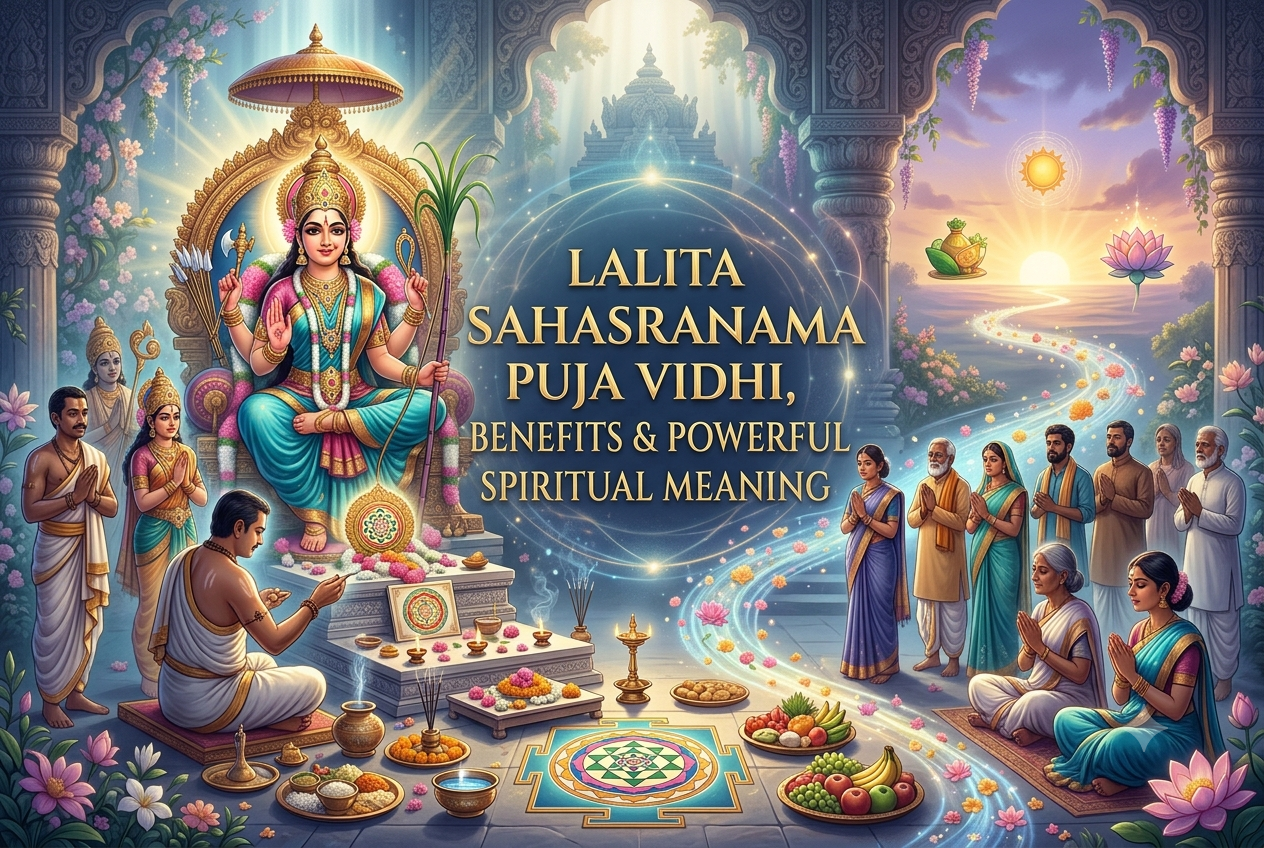
Lalita Sahasranama Puja is one of the most powerful Shakti-centric Vedic rituals in Hindu spiritual practice. It is dedicated to Goddess Lalita Tripurasundari, the supreme embodiment of Adi Shakti — the cosmic feminine consciousness that governs creation, preservation, and transformation.
The word “Lalita” symbolizes divine beauty, grace, compassion, and playful cosmic energy, while “Sahasranama” means one thousand sacred names. The Lalita Sahasranama Stotra, found in the Brahmanda Purana, is a highly revered devotional hymn that describes the thousand attributes, qualities, and metaphysical powers of the Goddess.
This sacred puja is performed to invoke blessings for:
- Prosperity and abundance
- Spiritual awakening and higher consciousness
- Mental peace and emotional balance
- Protection from negativity and karmic obstacles
- Harmonious relationships and family well-being
Devotees often perform this ritual during Navratri, Fridays, Purnima (Full Moon), and life milestones like marriage, childbirth, and housewarming ceremonies.
If you are exploring other divine rituals, you may also consider:
Significance of Lalita Sahasranama Puja
The Lalita Sahasranama Puja carries immense spiritual, astrological, and psychological significance. Each of the thousand names represents a vibrational frequency aligned with divine feminine energy, activating higher chakras and purifying inner consciousness.
Spiritual Benefits:
- Enhances devotion (bhakti) and mindfulness
- Promotes inner healing and emotional clarity
- Awakens kundalini energy
- Strengthens connection to universal Shakti
Astrological & Energetic Benefits:
- Reduces negative planetary influences
- Protects against negative energies and black magic
- Helps overcome career, health, and relationship obstacles
- Restores energetic harmony
From an NLP perspective, repetitive chanting of sacred mantras strengthens neural pathways associated with calmness, focus, and emotional resilience — making this ritual spiritually uplifting and psychologically grounding.
Regular recitation of the Lalita Sahasranama creates a positive vibrational field that supports prosperity, marriage harmony, childbirth blessings, and overall well-being.
History Behind This Puja
The Lalita Sahasranama originates from the Brahmanda Purana, where Sage Agastya receives this sacred knowledge from Lord Hayagriva. It forms the spiritual core of Sri Vidya Upasana, one of the most profound tantric traditions in Hinduism.
Closely associated with Sri Chakra (Sri Yantra) worship, this ritual became deeply rooted in South Indian temple traditions and later gained widespread recognition through Adi Shankaracharya and other spiritual masters.
Over centuries, it became a foundational ritual in Shaktism, integrating both Bhakti (devotional) and Tantra (esoteric) practices.
Offerings Made in the Puja
Offerings symbolize gratitude, surrender, and sacred exchange of energy.
Common Puja Samagri:
- Fresh red and white flowers
- Fruits like banana and coconut
- Sweets such as modak, laddoo, jaggery
- Kumkum & turmeric
- Dhoop & Deepam
- Ganga Jal
- Abhishekam ingredients
Panchamrit
A sacred blend of milk, yogurt, honey, ghee, and sugar representing nourishment of body, mind, and soul.
Lalita Sahasranama Puja Vidhi
Step 1 – Purification and Preparation
Take a ritual bath, wear clean traditional attire, and prepare a sacred altar. Place a Kalash filled with water, mango leaves, and coconut.
Step 2 – Invocation (Avahanam)
Chant Vedic mantras and establish the Sri Yantra or idol. Take a Sankalpa (intention).
Step 3 – Chanting of Lalita Sahasranama
Recite the thousand names while offering flowers and kumkum.
Step 4 – Abhishekam
Bathe the deity with milk, honey, Panchamrit, and holy water.
Step 5 – Aarti
Wave camphor and ghee lamps while singing devotional hymns.
Step 6 – Concluding Ritual
Distribute prasad and offer gratitude prayers.
Prasad Distribution
Prasad symbolizes divine blessings transformed into nourishment. Common offerings include:
- Kheer
- Chana dal
- Modaks
- Fruits
- Coconut
- Panchamrit
Sharing prasad spreads spiritual positivity and strengthens collective devotion.
Conclusion
The Lalita Sahasranama Puja is a transformative spiritual practice rooted in Shakti worship and mantra meditation. When performed with sincerity, it dissolves negativity, enhances karmic alignment, and invites abundance, clarity, and divine protection.
It can also be performed alongside rituals such as Shiv Puja, Saraswati Puja, Durga Puja, Vishnu Puja, Ganesh Puja, and Navgraha Puja for holistic spiritual balance.
Om Namo Bhagavate Lalitambikayai Namah.
May Goddess Lalita bless all devotees with peace and prosperity.
Frequently Asked Questions (FAQ)
1. Is it possible to chant Lalita Sahasranama with no priest?
Yes, one can chant it at home without the help of a priest as long as it is done with sincerity and devotion.
2. Is initiation (Sri Vidya Deeksha) required?
Basic chanting does not require initiation. Advanced Sri Chakra worship should be learned under a qualified guru.
3. When is the most appropriate time to perform Lalita Sahasranama Puja?
Fridays, Navratri, and Full Moon days are especially favorable.
4. Can Lalita Sahasranama reduce planetary doshas?
Many devotees believe regular chanting minimizes negative planetary influences.
5. How long does it take to see results?
Results depend on consistency, faith, and personal karma.
6. What if I mispronounce some names?
Minor pronunciation mistakes are forgiven when chanting is done with devotion.
7. Is Lalita Sahasranama only for women?
No. Anyone, regardless of gender, can chant Lalita Sahasranama.
Related Blogs

Saraswati Puja: Science Behind Yellow Sweets
Yellow sweets on Saraswati Puja aren't just tradition—they're science, emotion, and energy in one. Find out how colour, food, and devotion come together in this surprising story of wisdom and wellness
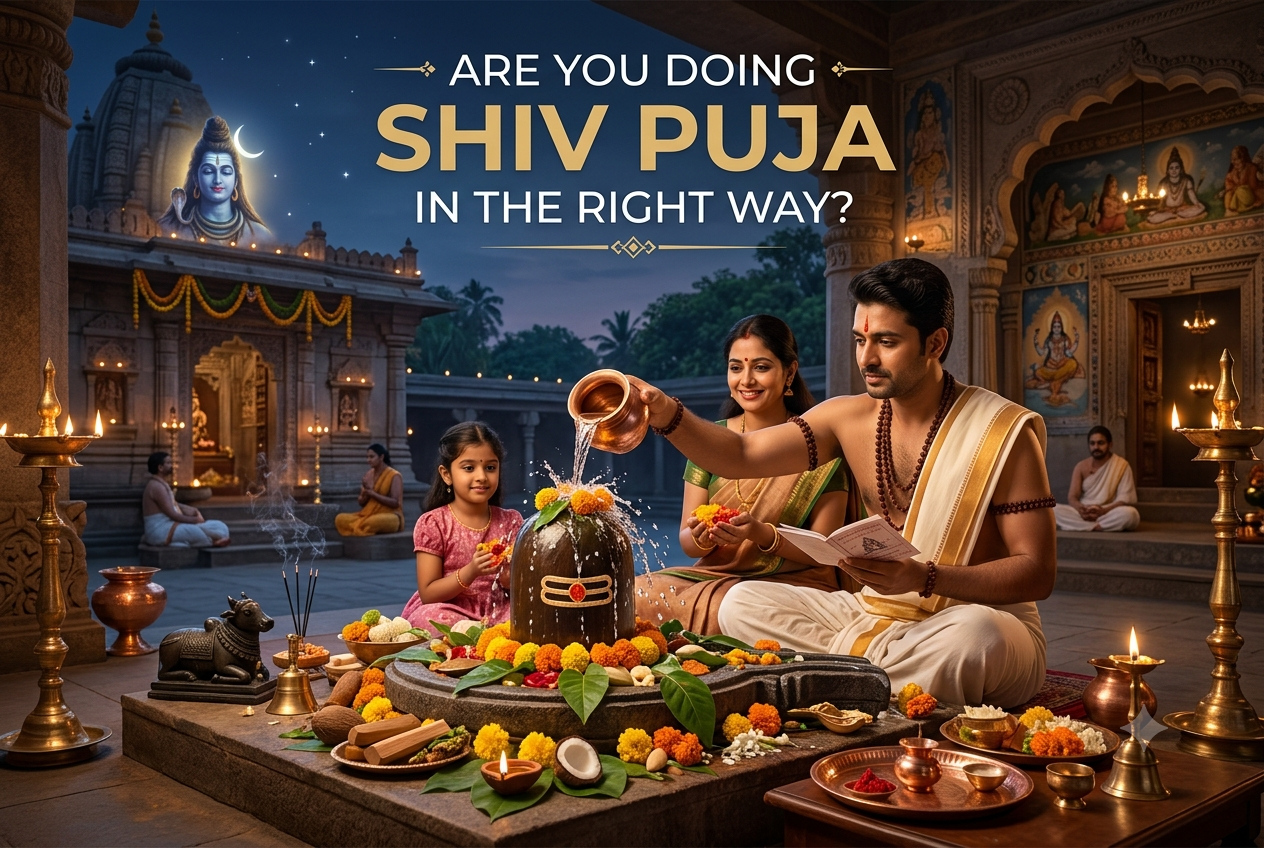
Are You Doing Shiv Puja In The Right Way?
Shiv Pooja isn’t about perfection—it’s about presence. Discover the small yet powerful steps you might be skipping, and how they can transform your prayer into a deeper, more personal experience.
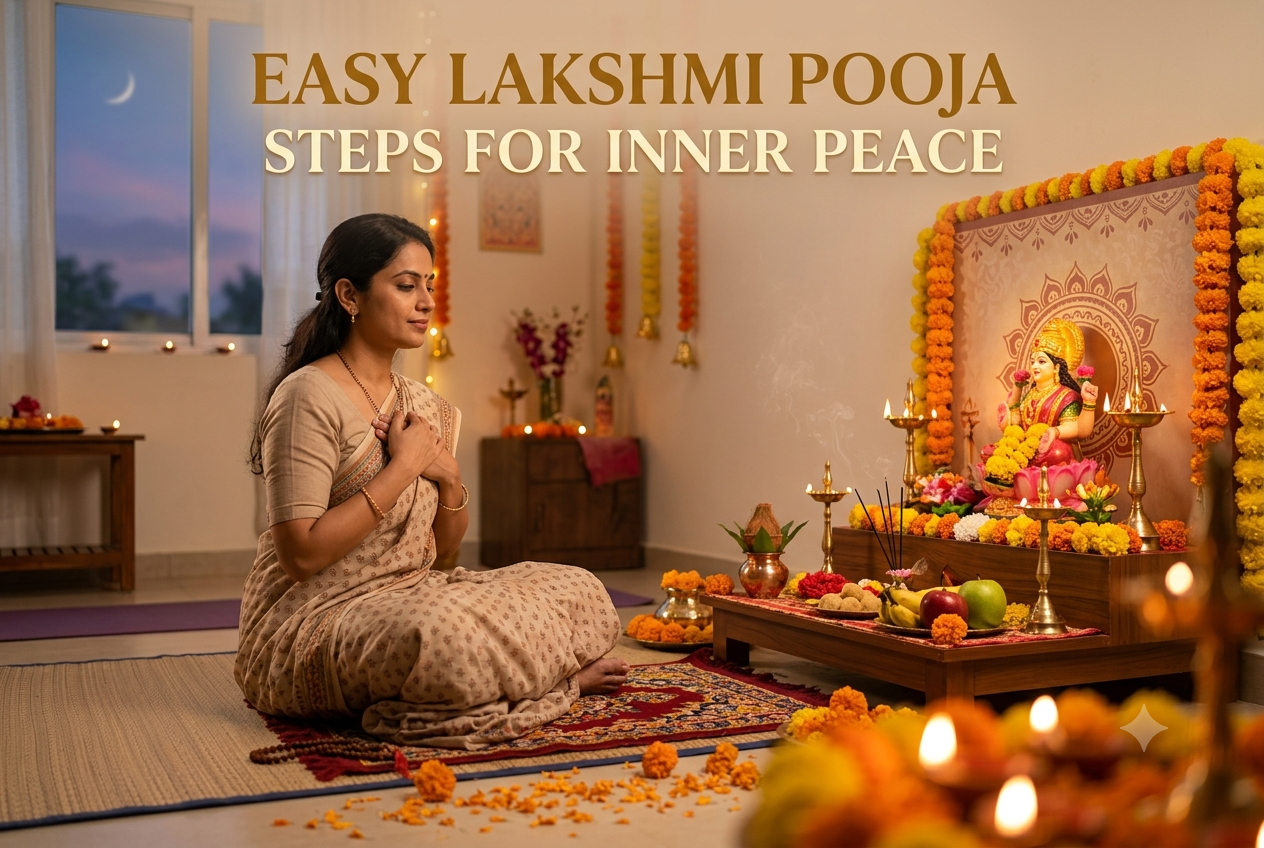
Easy Lakshmi Pooja Steps For Inner Peace
You don’t need perfection to feel divine peace. Just a diya, a flower, and a moment of stillness. This gentle Lakshmi Pooja is a soft reminder that grace begins within.
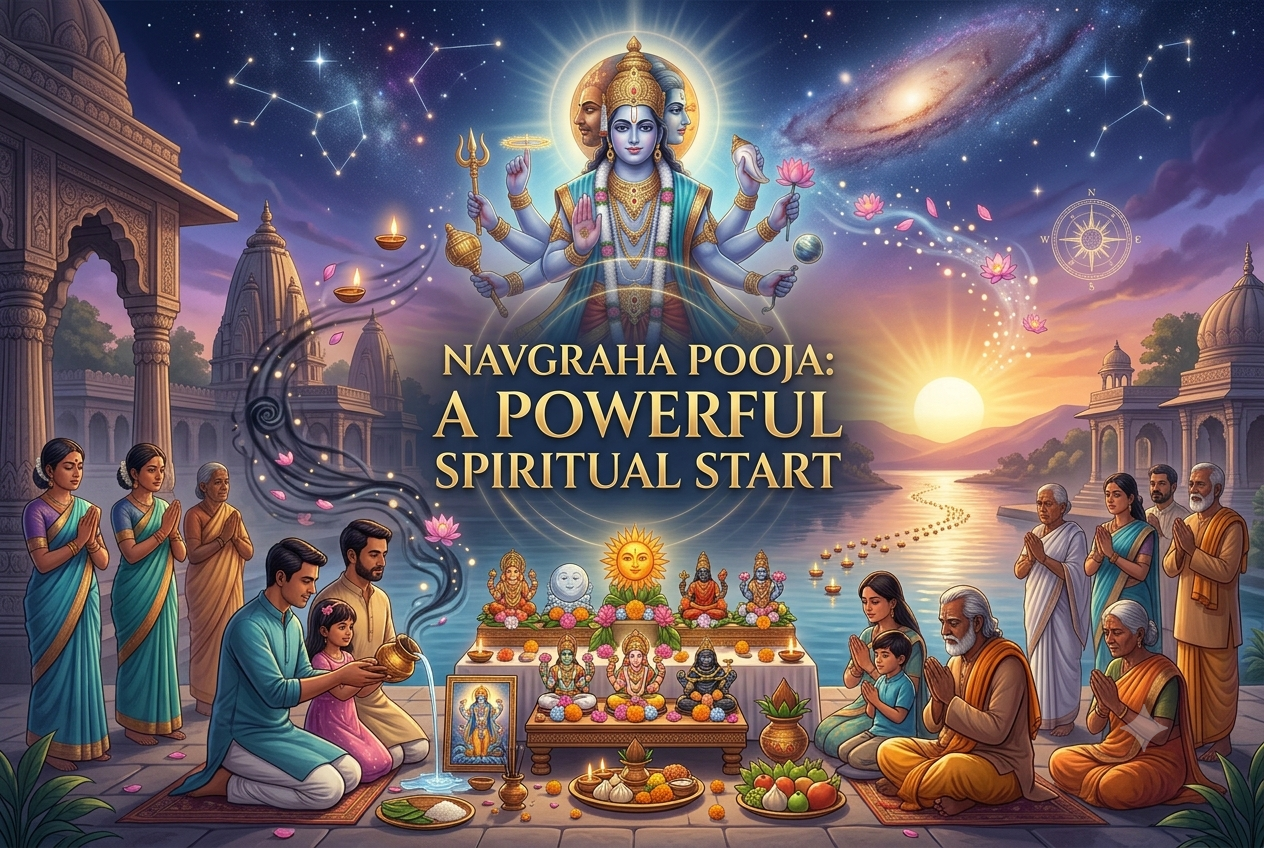
Navgraha Pooja: A Powerful Spiritual Start
Struggling with delays, confusion, or emotional heaviness? Navgraha Pooja might be the spiritual shift you need. Learn how this ancient practice helps you align with cosmic energy and reclaim inner peace.