Mauni Amavasya 2026 Significance and Puja Vidhi
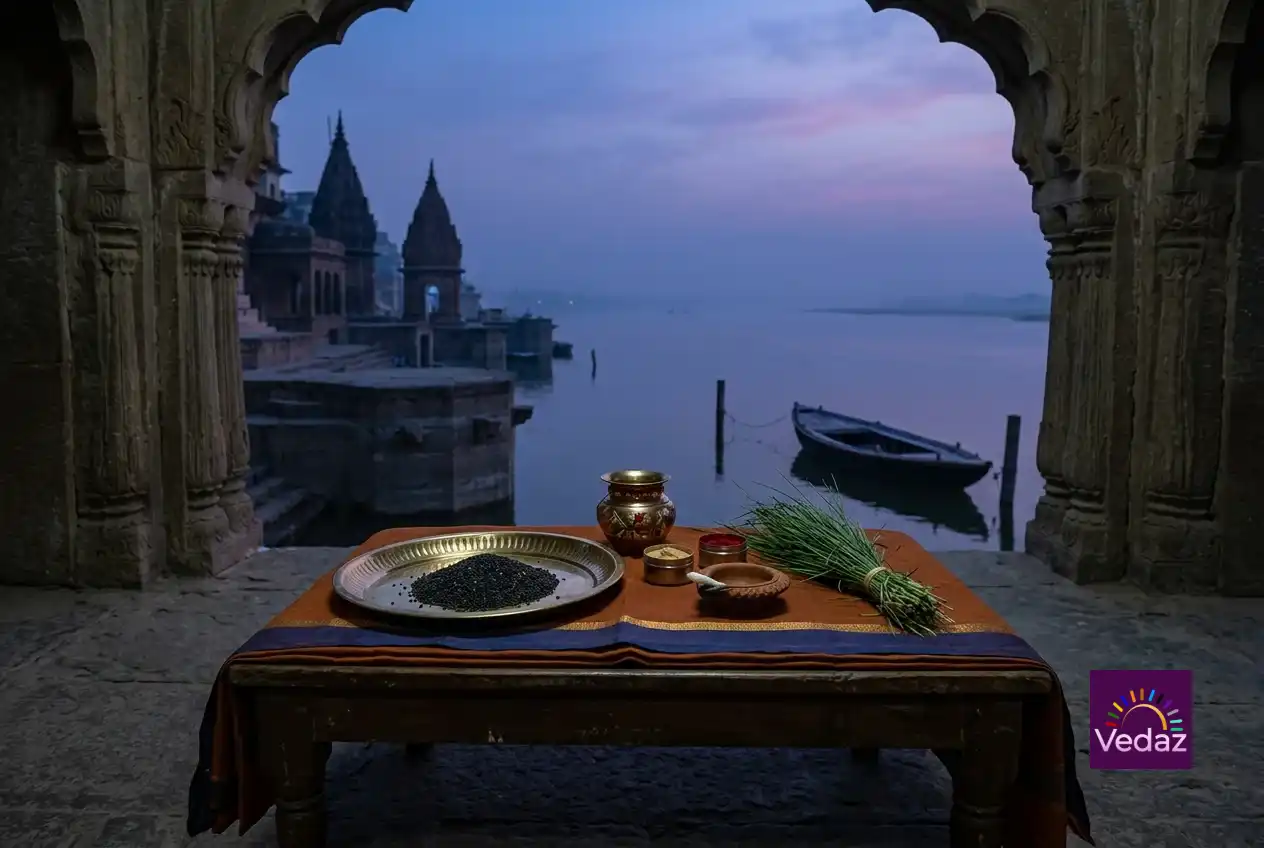
Mauni Amavasya 2026 is a sacred Hindu observance centered on silence, self-discipline, spiritual cleansing, and ancestral peace. Devotees observe maun vrat, take a holy bath, meditate, perform prayers and tarpan, and practice charity. The day is considered especially significant for emotional clarity, karmic cleansing, spiritual growth, and inner awakening.
There are days when prayers are spoken aloud, bells are rung, and mantras echo in temples. Then there is a day when spirituality reveals its power through silence. Mauni Amavasya is not about noise, celebration, or grand rituals—it is about stillness, discipline, and inner awakening.
On this sacred new moon day, devotees observe maun vrat, a vow of silence, to purify the mind and strengthen spiritual focus. It is believed that when words stop, the soul begins to speak.
In this blog, we explore the mauni amavasya significance, its date in 2026, rituals, spiritual meaning, and how observing this day aids in spiritual detox and ancestral peace. For understanding cosmic influence on spiritual practices, also see Boost Your Health with Astrology.
Why Mauni Amavasya Is Spiritually Intense
Among all Amavasya days, mauni amavasya holds a special place in Hindu tradition. Typically falling in the holy month of Magha, it is considered highly auspicious for meditation, spiritual practices, and ancestral offerings.
Its spiritual intensity comes from the synergy of two powerful energies: the new moon and silence. The new moon symbolizes introspection and karmic cleansing, while silence represents control over speech and thoughts. Together, they create a perfect day for deep self-reflection.
Practicing silence enhances intuition, balances emotions, and removes negative karmic patterns. It is also regarded as one of the most potent days for spiritual detox and mental clarity.
Mauni Amavasya 2026 Date and Tithi
The mauni amavasya 2026 falls in the month of Magha. As per the Hindu Panchang, the Amavasya Tithi starts and ends according to lunar calculations, so exact timing may vary by location.
Key activities for this day include:
- Holy bath during Brahma Muhurat
- Observing maun vrat
- Offering prayers to ancestors
- Performing charity and daan
Astrologically, the new moon supports emotional healing and karmic balance. The absence of moonlight signifies removal of ego and attachment. Observing mauni amavasya 2026 is particularly powerful for spiritual transformation and clarity in life decisions.
Importance of Silence (Maun Vrat)
Silence is not merely refraining from speech; it is mastery over thoughts and reactions. Observing maun vrat purifies speech-related karma and promotes inner discipline.
Benefits include:
- Mental clarity: Calms overthinking and aids better decision-making.
- Emotional balance: Reduces anger and impulsive reactions.
- Spiritual growth: Deepens meditation and awareness.
- Energy conservation: Preserves vital energy by speaking less.
Many spiritual teachers recommend partial silence regularly to maintain inner peace and emotional stability.
Holy Bath and Ritual Practices
Taking a holy bath on mauni amavasya is highly auspicious. Devotees rise early and bathe in sacred rivers like Ganga, Yamuna, or nearby holy water sources. Home bathing with a few drops of Ganga jal is also considered beneficial.
The holy bath symbolizes washing away negative karma and beginning anew. Post-bathing, devotees wear clean clothes and engage in silent meditation or mantra recitation.
Important ritual practices include:
- Early morning snan: Preferably during Brahma Muhurat.
- Meditation in silence: Focus on breathing or mental mantra chanting.
- Lighting a diya: Removes inner darkness.
- Offering water to the Sun: Surya Arghya balances energies.
The mauni amavasya significance in rituals lies in simplicity—sincerity and discipline matter more than complex procedures. Learn more about temple rituals at Feel the Blessings at Kashtabhanjan Hanuman Mandir.
Puja Vidhi for Mauni Amavasya
Performing puja on this day is simple yet powerful. The focus is devotion combined with silence.
Steps:
- Sankalp (Resolution): Take a silent vow to observe maun vrat and pray for spiritual growth.
- Ganesh Invocation: Chant mentally to remove obstacles.
- Offer Flowers and Incense: Symbolizes surrender and purity.
- Mental Mantra Chanting: Repeat your chosen mantra silently.
- Prayers for Ancestors: Offer water and sesame seeds for pitra shanti.
The essence of this puja is internal repetition rather than vocal recitation. Silent mantras are believed to reach deeper levels of consciousness. For related rituals, see The Story Behind Sheetla Mata Mandir.
Charity and Ancestral Offerings
Charity holds great significance on mauni amavasya 2026. Donating food, clothes, or money amplifies blessings and reduces karmic debts.
Recommended donations:
- Food grains and blankets, especially in winter
- Sesame seeds and jaggery for ancestral peace
- Feeding cows or birds
- Helping the needy silently
This day is also ideal for tarpan rituals, believed to provide peace to departed souls and bring harmony and prosperity to families. For more on sacred offerings, check Step into the Beauty of Chandrodaya Mandir.
Spiritual Benefits of Observing the Day
Observing maun vrat promotes both spiritual and psychological well-being:
- Karmic cleansing: Releases past negativity.
- Improved focus: Silence sharpens concentration.
- Emotional detox: Reduces stress and mental clutter.
- Inner awareness: Enhances self-realization.
The mauni amavasya 2026 can serve as a powerful spiritual reset, leaving devotees with emotional lightness and clarity.
Do’s and Don’ts on Amavasya
Do’s:
- Wake up early and take a holy bath
- Observe maun vrat sincerely
- Perform tarpan for ancestors
- Donate food or essentials
- Practice meditation and gratitude
Don’ts:
- Avoid arguments and harsh speech
- Do not consume tamasic food
- Avoid unnecessary travel or risky activities
- Do not break your vow of silence casually
- Avoid negative thoughts and gossip
Following these guidelines enhances the spiritual significance of the day.
Conclusion
Mauni Amavasya is more than just another Amavasya; it is a day dedicated to silence, self-discipline, and inner awakening. In a world full of noise, choosing silence is a profound act of devotion.
The mauni amavasya 2026 offers an opportunity for spiritual detox, ancestral peace, and emotional clarity. Whether observing complete silence or partial maun vrat, what matters most is sincerity.
When words fade, awareness rises—and in that quiet space, true transformation begins. For more insights on spiritual practices and ancestral rituals, see Millions Visit Tirupati Balaji but Few Know This.
Frequently Asked Questions
1. When is Mauni Amavasya in 2026?
Mauni Amavasya in 2026 will be observed on Sunday, 18 January 2026. According to the Panchang, the Amavasya Tithi begins at 12:03 AM on 18 January 2026 and ends at 1:21 AM on 19 January 2026.
2. Can I observe Maun Vrat partially instead of full-day silence?
Yes. If complete silence is not possible due to work or responsibilities, you can observe partial maun vrat. Avoid unnecessary conversations, speak only when required, and maintain mental silence as much as possible.
3. What if I cannot take a holy bath in a river?
Bathing in sacred rivers like Ganga is ideal but not mandatory. You can add a few drops of Ganga jal to your bath water at home and pray with devotion. Intention matters more than location.
4. Is Mauni Amavasya only important for ancestors (Pitra rituals)?
No. While tarpan and ancestral offerings are important, this day is also powerful for meditation, karmic cleansing, emotional healing, and spiritual growth. It benefits both personal and ancestral energies.
5. What happens if Maun Vrat is broken accidentally?
If silence is broken unintentionally, do not feel guilty. Calmly resume your vow and focus on maintaining inner discipline. The spiritual benefit depends more on sincerity than perfection.
Related Blogs

Saraswati Puja: Science Behind Yellow Sweets
Yellow sweets on Saraswati Puja aren't just tradition—they're science, emotion, and energy in one. Find out how colour, food, and devotion come together in this surprising story of wisdom and wellness

Are You Doing Shiv Puja In The Right Way?
Shiv Pooja isn’t about perfection—it’s about presence. Discover the small yet powerful steps you might be skipping, and how they can transform your prayer into a deeper, more personal experience.
Easy Lakshmi Pooja Steps For Inner Peace
You don’t need perfection to feel divine peace. Just a diya, a flower, and a moment of stillness. This gentle Lakshmi Pooja is a soft reminder that grace begins within.
Navgraha Pooja: A Powerful Spiritual Start
Struggling with delays, confusion, or emotional heaviness? Navgraha Pooja might be the spiritual shift you need. Learn how this ancient practice helps you align with cosmic energy and reclaim inner peace.