What Are The Hidden Connection Between Planets and Emotions
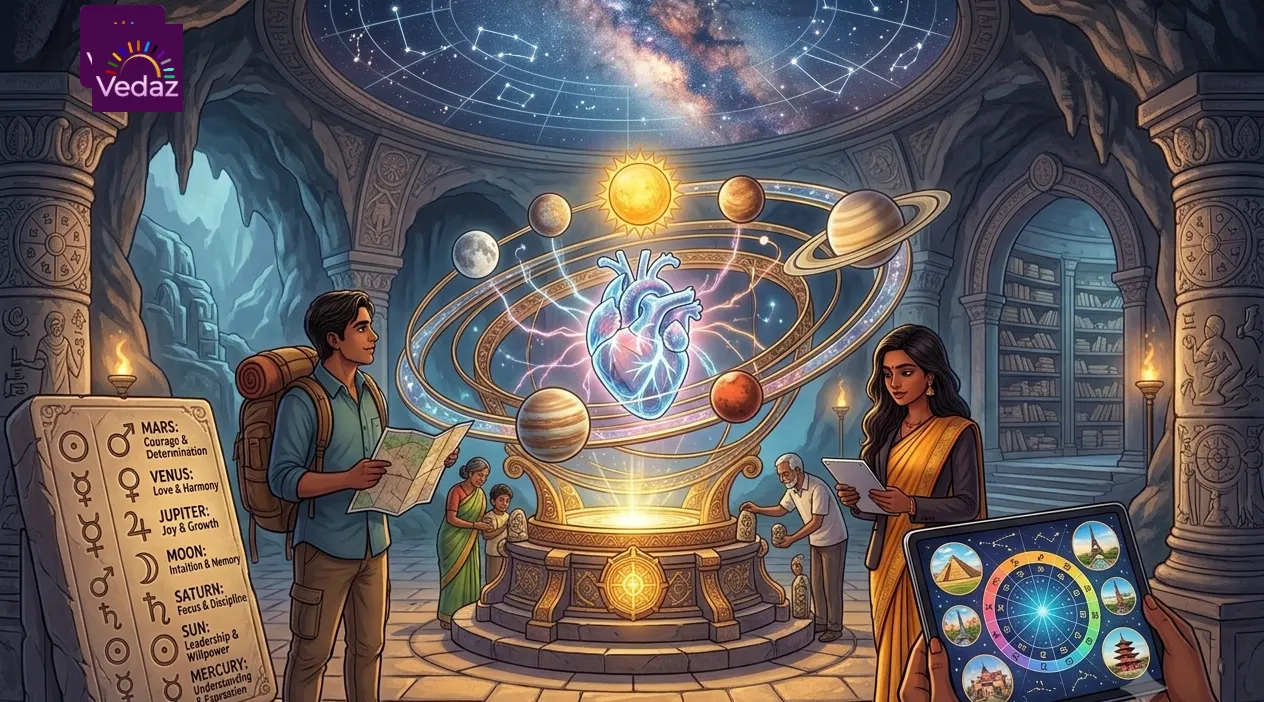
Have you ever had an off day where you’ve just felt out of sorts but didn’t quite know why? Or noticed that for some periods in life, we feel more burdened, while at other times, we experience more positivity and excitement? Many believe that mental health and astrology are deeply connected, as planetary movements and zodiac signs influence emotions and mental well-being.
Astrology has been around for millennia, but modern science and psychology usually dismiss it as a pseudoscience—there is no concrete evidence that planets affect mental health. However, astrology and mental health remain intertwined for millions who find meaning, comfort, and self-awareness through their astrological charts.
So, is it possible that astrology and mental health are actually linked? Let’s examine both sides—what astrology suggests and what science has to say.
How Astrology and Mental Health Intersect
Astrology is founded on the idea that celestial bodies—including the Sun, Moon, and planets—determine aspects of human personality, emotion, and experience. Each planet is believed to include its own energy, which affects various facets of our mind-set. Here’s a glance at what astrologers say.
- Sun - Symbolizes self, ego, and strength.
- Moon - Indicates emotions, instincts, and inner feelings (Moon and emotions).
- Mercury - Governs communication, thought, and decision-making (Mercury retrograde mental effects).
- Venus - Love, relationships, self-worth.
- Mars - Rules action, drive, and assertiveness.
- Jupiter - Signifies hope, self-growth, and sagacity.
- Saturn - Represents discipline, responsibility, and life lessons (Saturn return life changes).
- Uranus - Symbolizes change, unpredictability, and breakthroughs.
- Neptune - Associated with dreams, intuition, and illusions.
- Pluto - Controls metamorphosis, profound feelings, and mental changes.
Astrology says that when planets move through different zodiac signs, they also create zodiac and emotions shifts, affecting thoughts and behaviours for most people. Since mental health and astrology have become major topics for examination, some think tracking these patterns can help predict the peaks and valleys of emotional well-being.
But what does science have to say about these astrological assertions? Below are some of the most popular beliefs and their psychological explanations.
The Moon’s Influence – What Your Emotions Mean
The Moon affects human emotions—one of the most famous astrological concepts. Many claim they feel more sensitive, anxious, or restless during a full moon. Others say hospitals, police stations, and mental health facilities get busier on these days. In contrast, a new moon is considered a period of introspection, productivity, and forming new intentions. Some astrologers advise following Moon and emotions cycles to help people identify emotional patterns and plan self-care accordingly.
What Science Says
Some research suggests that lunar cycles impact sleep patterns. A 2013 study in Current Biology found that some people could sleep worse, on average, around the full moon. Other studies have found little evidence of a connection between lunar cycles and human mood or behaviour. Confirmation bias may influence perceptions—if someone expects to feel emotional during a full moon, they may subconsciously experience those emotions.
Mental Clarity During Mercury Retrograde
You may have heard people blame Mercury retrograde mental effects when things go wrong. Mercury governs communication, technology, and decision-making. Astrologers say that when Mercury is retrograde—appearing to move backward in the sky—it causes:
- Miscommunication & misunderstandings
- Mental fog & anxiety
- Delays & unexpected challenges
Many people report feeling scatter-brained, stressed, or emotionally overwhelmed during this phase. Some even refuse to sign contracts or make major decisions, fearing misunderstandings.
What Science Says
There’s no scientific basis for the idea that Mercury retrograde mental effects impact mental clarity or communication. Confirmation bias plays a role—when people expect chaos, they are more likely to notice small disruptions. Regardless of astrology, taking time to slow down, double-check plans, and practice mindfulness during stressful periods is always beneficial.
Saturn Return and Significant Life Changes
Between ages 27-30 and 57-60, people go through what astrologers refer to as a Saturn return life change—a period when Saturn returns to its original birth position. This phase is believed to bring:
- Major life challenges & transformations
- Identity shifts & career changes
- Relationship revaluations & personal growth
What Science Says
Psychologists recognize these ages as crucial turning points in life. Around age 30, many individuals question their career choices and personal direction—often called the quarter-life crisis. Similarly, mid-life reflections occur in the late 50s.
While astrology credits this shift to Saturn return life changes, psychology sees it as a natural phase of introspection and development.
Neptune’s Relationship with Mental Health Issues
Neptune is associated with dreams, illusions, and the subconscious mind. Astrologers believe that when Neptune is in a challenging position in a birth chart, it can result in:
- Emotional confusion & lack of clarity
- Escapism & avoidance behaviours
- Increased susceptibility to anxiety & depression
What Science Says
Rather than planetary influence, mental health struggles are typically linked to genetics, life experiences, and brain chemistry. However, the idea of Neptune’s influence may serve as a symbolic tool to encourage mindfulness, self-awareness, and emotional grounding.
Does Astrology Help with Mental Health?
Although astrology isn’t scientifically proven to impact mental health directly, many people turn to it for:
- Tracking Emotional Patterns – Following zodiac health predictions to monitor mood swings.
- Providing Comfort & Hope – Astrology reassures that challenging times are temporary.
- Encouraging Self-Reflection – Helps people analyse their emotions, strengths, and weaknesses.
- Building Connections – Astrological remedies for stress may help improve relationships and communication.
Conclusion
While the idea of planets influencing mental health is debated, what truly matters is how we find meaning and support in our lives. Astrology, for many, serves as a tool for self-reflection and emotional understanding. Whether you see it as a guiding force or simply an intriguing perspective, its value lies in the comfort and insight it brings. Ultimately, mental well-being is a deeply personal journey and what works for one may not work for another. The key is to explore with an open heart while grounding yourself in the support of science, self-awareness, and professional care when needed.
Related Blogs
How Your Ruling Planet Affects You?
The impact of your ruling planet upon yourself and your course of action in life. Find the hidden meaning behind your zodiac sign’s star guide.
How the Moon Phases Impacts Body & Mind
Can the Moon’s phases impact your sleep, mood, and health? Explore the fascinating connection between lunar cycles and wellness and how to harness their energy for personal growth
Mercury Retrograde Survival Guide: Mental Health Tips for Every Sign
Turn Mercury Retrograde chaos into clarity with actionable mental health hacks for every zodiac sign.

How to Balance Your Mental Health with Astrology
Unlock secrets of astrological insights and discover a fresh approach to balancing your mental and emotional health.