Lal Kitab Remedies for Health
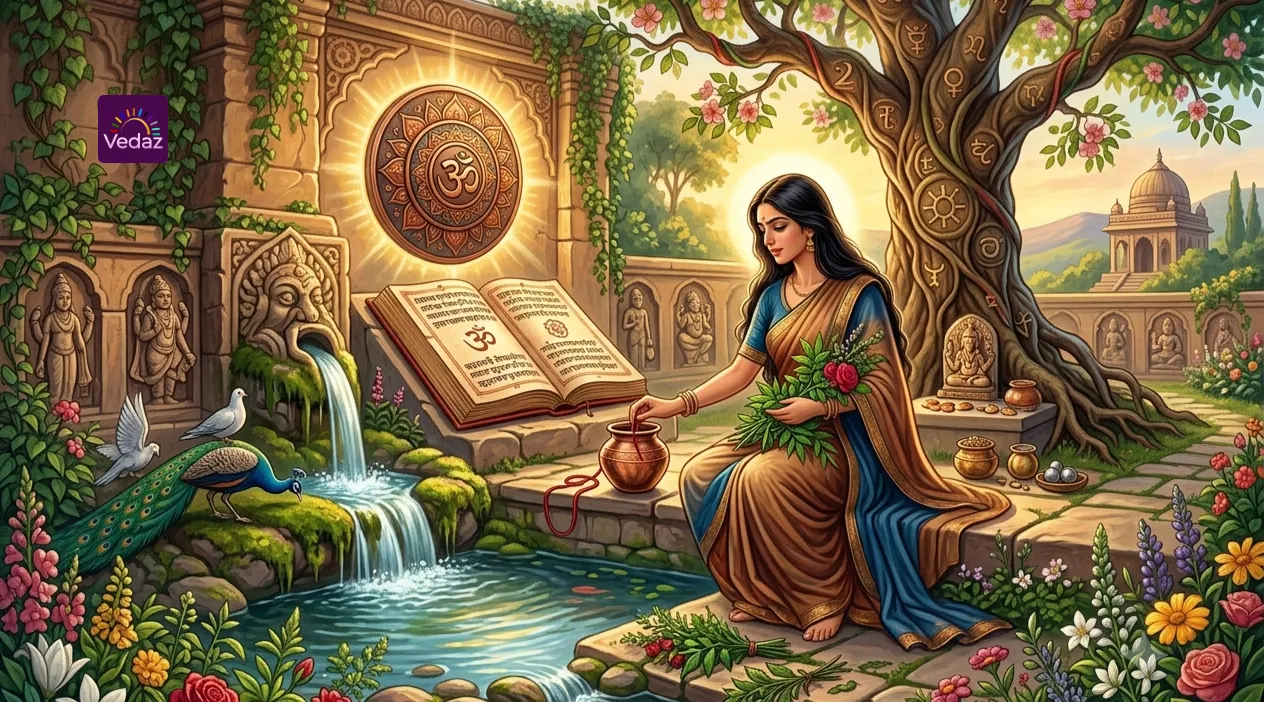 Lal Kitab health totke — mantras, feeding animals, offering water — are traditional faith practices for comfort during illness, not treatments. They must always be used alongside, never instead of, a qualified doctor's care.
Please read this first: nothing on this page is medical advice, and no remedy here is a substitute for seeing a doctor. If you have a health concern, a qualified medical professional is your first and most important step, always, no exceptions.
Lal Kitab offers simple, faith-based totke that people traditionally use for peace of mind, comfort, and support during illness — reciting protective mantras, feeding animals, offering water. These are used alongside medical treatment, never in place of it.
With that firmly in mind, this guide walks through the remedies Lal Kitab traditionally associates with health and vitality. For the system behind them, see the Lal Kitab guide.
A Clear Word Before Anything Else
Health is really the one area where caution matters most. Lal Kitab remedies are traditional beliefs meant to support your state of mind and your faith while you recover — they're not treatments, they don't diagnose or cure anything, and they must never delay or replace proper medical care.
Persistent symptoms, worsening conditions, mental-health struggles, and anything that frightens or worries you all need a doctor, not a totka. If you take one thing away from this page, take this: see a qualified professional first, and treat these remedies only as a source of comfort and faith alongside real care.
How Lal Kitab Views Health
Lal Kitab reads health mainly through the first house and ascendant (the body and constitution) and the sixth house (illness and daily health), with several planets connected to different areas: the Sun to vitality and the eyes and heart; the Moon to the mind and emotional wellbeing; Mars to blood, inflammation, and accidents; Mercury to the nerves and skin; Saturn to chronic, long-running conditions and the bones; and Ketu to obscure, hard-to-diagnose complaints.
When these are disturbed, the tradition associates it with difficulty in the related area — but this is a traditional framework for reflection and faith, not a diagnosis, and never a reason to avoid a doctor.
Lal Kitab Totke Traditionally Used for Wellbeing
These are simple, benign practices traditionally used for comfort and faith during illness and for general vitality. Do them alongside medical care, never instead of it.
- Recite the Mahamrityunjaya Mantra. This mantra to Lord Shiva is traditionally recited for health, healing, and longevity, and is the most commonly recommended for wellbeing and peace of mind during illness.
- Recite the Hanuman Chalisa for strength, courage, and calm through a difficult time.
- Offer water to the Sun at sunrise as a general vitality practice, and to the Peepal tree, both traditional supports for wellbeing.
- Feed dogs, cows, and birds, and serve the underprivileged. These are gentle, benign remedies associated with easing the planets connected to health, and are considered meritorious regardless.
- Keep a solid silver item to steady the Moon and the mind, especially where worry and sleeplessness are part of the picture.
- Immerse the prescribed item in flowing water where a malefic is indicated on the health houses, to carry away distress — a matter for a reading to guide.
For Persistent, Hard-to-Diagnose Worries
Some people turn to Lal Kitab when a health worry is vague, long-running, or hard to pin down. The tradition often links such cases to Ketu or a disturbed sixth house, and the response is Ganesha worship, Mahamrityunjaya recitation, and steadying the mind.
But this is exactly where the caution matters most: a symptom that doctors are struggling to diagnose still needs medical investigation, second opinions, and specialist care — not a totka in its place. Use the remedy for calm and faith while you keep pursuing proper answers.
Planet-Wise Wellbeing Practices
Because Lal Kitab associates different planets with different areas of the body, the supportive practice is chosen accordingly — always as comfort alongside medical care, never as treatment:
- Sun (vitality, heart, eyes): Offer water to the Sun at sunrise and respect your father; a traditional support for general vitality.
- Moon (mind, emotional wellbeing, sleep): Keep silver, offer water to Shiva, and steady your surroundings; used for calm where worry and sleeplessness are part of the picture.
- Mars (blood, inflammation, accidents): Recite the Hanuman Chalisa and take ordinary care to avoid injury; caution and safety matter as much as any remedy.
- Mercury (nerves, skin): Keep the mind calm and engaged and feed green fodder to a cow; genuine nerve or skin complaints still need a doctor.
- Saturn (chronic, long-running conditions, bones): Serve the underprivileged and stay patient; Saturn's conditions are slow, and patience alongside proper treatment matters.
- Ketu (obscure, hard-to-diagnose complaints): Ganesha worship and Mahamrityunjaya recitation for calm, while continuing medical investigation.
In every case, the planet-wise practice is a source of faith and steadiness beside treatment — never a reason to delay or replace it.
Everyday Lal Kitab Habits for Vitality
Beyond specific totke, Lal Kitab treats certain habits as gentle, ongoing support for wellbeing: rise early and offer water to the Sun; keep your home and surroundings clean and airy; feed animals and give a little in service; keep a calm, regular routine and protect your sleep; and avoid the worry, anger, and excess that the tradition links to disturbed health.
These overlap neatly with ordinary healthy living, which is part of why they help — and they're always meant to sit alongside a doctor's guidance, not in place of it.
The Rules That Apply
- Medical care comes first, always. A remedy is a companion to treatment, never a replacement, and never a reason to delay seeing a doctor.
- Follow the fixed run — many totke are done for a set period such as 43 days, with sincerity and consistency.
- Use flowing water only for immersion remedies, and keep the practice discreet.
- Do them for faith and peace, not fear. Remedies done in panic help no one; their real value is in steadiness and hope during recovery.
Caring for Mental Wellbeing
Where the worry is of the mind — anxiety, low mood, sleeplessness — Lal Kitab links it to the Moon, and its gentle remedies (offering water to Shiva, keeping silver, calming the surroundings) are traditionally used for peace of mind.
Please treat these only as comfort. If you're struggling mentally, reach out to a doctor, a mental-health professional, or someone you trust — that's the real and important step, and a remedy is at most a small support beside it.
When to Get a Reading
If you want to understand which planet Lal Kitab associates with a recurring health worry, a Lal Kitab reading with a Vedaz astrologer can identify it and suggest a supportive totka. Please keep this in its proper place: a reading is for reflection and faith, and it sits alongside — never above — your doctor's care.
A Word of Caution
This is the most important line on the page. Nothing here is medical advice, diagnosis, or treatment. These are traditional beliefs offered only as a source of comfort and faith, to be used strictly alongside proper medical care.
Never delay seeing a doctor, never stop a prescribed treatment, and never rely on a remedy in place of professional help — for physical or mental health alike. If something worries you about your health, please see a qualified professional now.
Frequently Asked Questions
Can Lal Kitab remedies cure illness? No. Lal Kitab remedies are traditional faith-based practices used for comfort and peace of mind, not treatments. They don't diagnose or cure anything and must always be used alongside — never instead of — proper medical care.
What is the most recommended Lal Kitab remedy for health? The Mahamrityunjaya Mantra, recited to Lord Shiva, is the most commonly used for health, healing, and peace of mind during illness. It's a source of faith and calm alongside medical treatment, not a replacement for it.
Which planets does Lal Kitab link to health? Health is read mainly through the first and sixth houses, with the Sun tied to vitality, the Moon to the mind, Mars to blood and inflammation, Mercury to nerves and skin, Saturn to chronic conditions, and Ketu to hard-to-diagnose complaints. This is a traditional framework, not a diagnosis.
Can Lal Kitab help with a health problem doctors can't diagnose? The tradition may link such cases to Ketu or the sixth house and offer supportive remedies for calm and faith. But an undiagnosed symptom needs continued medical investigation and specialist care — the remedy is for peace of mind while you pursue proper answers, not a substitute for them.
Are Lal Kitab health remedies safe? The practices themselves — reciting mantras, feeding animals, offering water — are benign. The only real risk is treating them as a replacement for medical care, which they must never be. Used alongside a doctor's treatment, they're simply a source of comfort and faith.
Can Lal Kitab remedies help with anxiety or low mood? They're traditionally used for peace of mind, linked to the Moon, and can be a small comfort. But mental-health struggles need proper support — a doctor, a mental-health professional, or a trusted person — and a remedy is at most a gentle companion to that real help, never a substitute.
What is the Mahamrityunjaya Mantra used for? It's a mantra to Lord Shiva traditionally recited for health, healing, and longevity, and is the most commonly recommended for comfort and peace of mind during illness. It's a source of faith and calm alongside medical treatment, never a treatment in itself.
How long should I do a Lal Kitab health remedy? Many are done for a fixed run, commonly 43 days, with sincerity. But the timeline that matters most is your medical treatment's — the remedy is simply a source of steadiness and hope for as long as you find it comforting, alongside your doctor's care.
Is it safe to rely only on Lal Kitab remedies for health? No — this is the one thing never to do. Relying on a remedy in place of medical care is the real risk. Always see a qualified professional, follow their treatment, and use these practices only as comfort and faith beside it.
Can I do these remedies for a sick family member? Yes — reciting the Mahamrityunjaya Mantra, feeding animals, and serving the underprivileged on behalf of an unwell loved one are gentle, benign practices done for faith and hope. They're a way of channelling care, and they belong strictly alongside the medical treatment that person is receiving, never in place of it.