Puja Blogs
Significance, Timing, Tithi And Subh Muhurat
Puja is not just a ritual. It is a moment you create for yourself — to pause, to breathe, and to connect. Whether it is a simple daily puja at home or a detailed vedic puja vidhi, every puja carries intention. From lighting a diya to offering flowers, from chanting mantras to sitting in silence, puja becomes a space where your thoughts settle and your mind feels lighter.
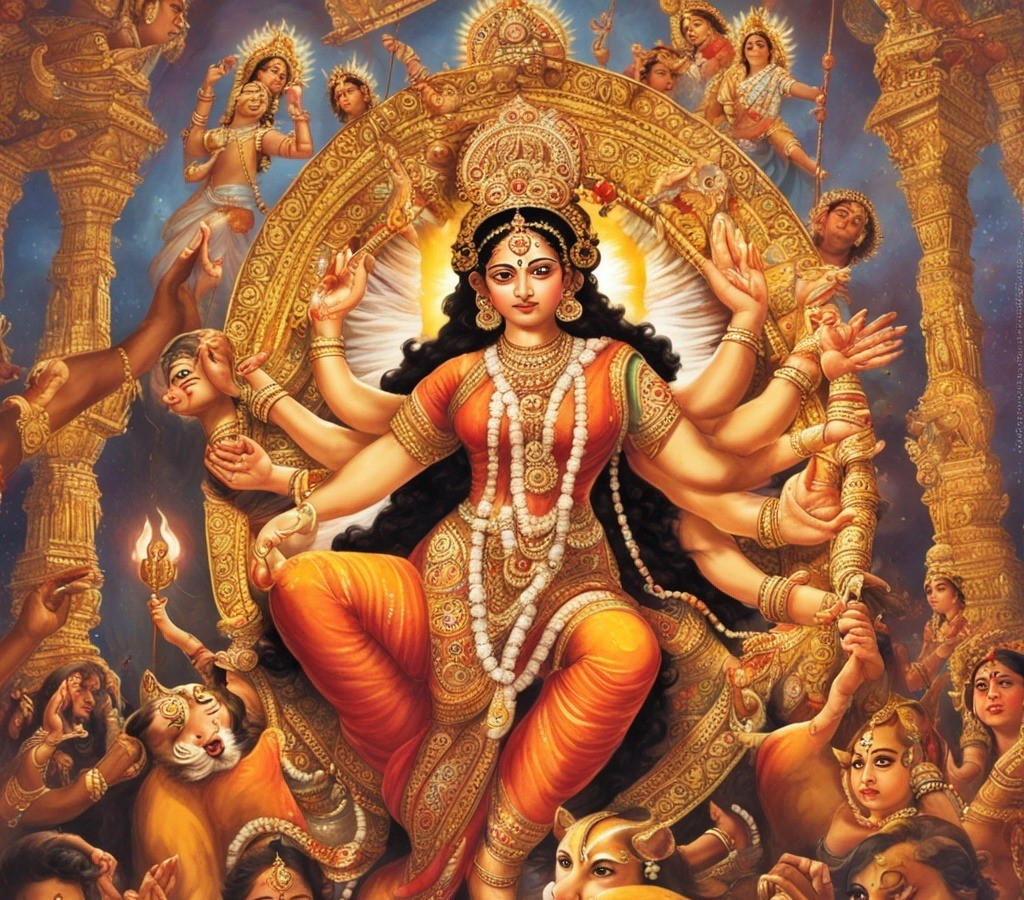
Durga Puja
Durga Puja is a grand celebration dedicated to Goddess Durga, the embodiment of strength, courage, and protection. This sacred ritual is performed to invoke her divine energy and seek blessings for overcoming obstacles and achieving success. It is believed that worshipping Goddess Durga removes negativity, bestows peace, and enhances inner strength and positivity. Celebrated during the auspicious Navratri days, Durga Puja involves rituals such as offering flowers, lighting lamps, and chanting prayers to honour the goddess. A pure and devotional heart, along with a clean and sacred space, helps invite her divine presence, fostering spiritual upliftment and prosperity.
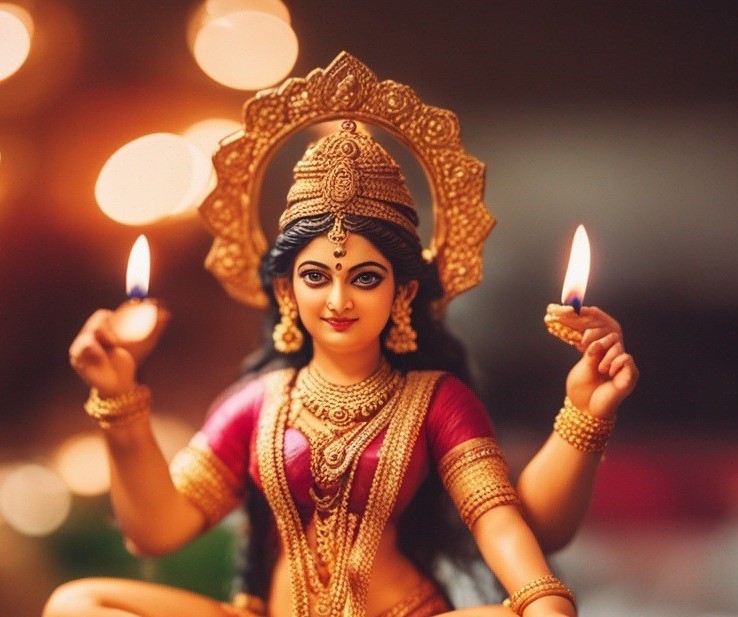
Lakshmi Puja
Lakshmi Puja is dedicated to Goddess Lakshmi, the goddess of wealth and prosperity, and is performed during Diwali to invite financial stability and good fortune. Devotees seek her blessings to remove financial hurdles and bring harmony and success into their lives. Her grace is believed to ensure both material and spiritual prosperity. Performed during the auspicious Pradosh Kaal on Diwali evening, the puja involves lighting lamps, offering prayers, and chanting mantras to invoke her blessings. A clean, vibrant home and a sincere heart help welcome Goddess Lakshmi’s divine presence, fostering abundance and positivity.
Hanuman Puja
Hanuman Puja is a sacred ritual dedicated to Lord Hanuman, the deity symbolising strength, devotion, and protection. Worshipping Lord Hanuman is believed to invoke his divine blessings, providing courage, removing obstacles, and offering protection against negative energies. Lord Hanuman is also revered for his unwavering devotion to Lord Rama, and performing Hanuman Puja is said to help devotees overcome challenges in their personal and professional lives. Hanuman Puja is performed on special occasions like Hanuman Jayanti or any Tuesday or Saturday, both considered auspicious days for this ritual. The puja includes chanting of mantras, offering flowers, lighting lamps, and performing aarti to seek Lord Hanuman’s blessings for physical and mental strength, success, and peace.
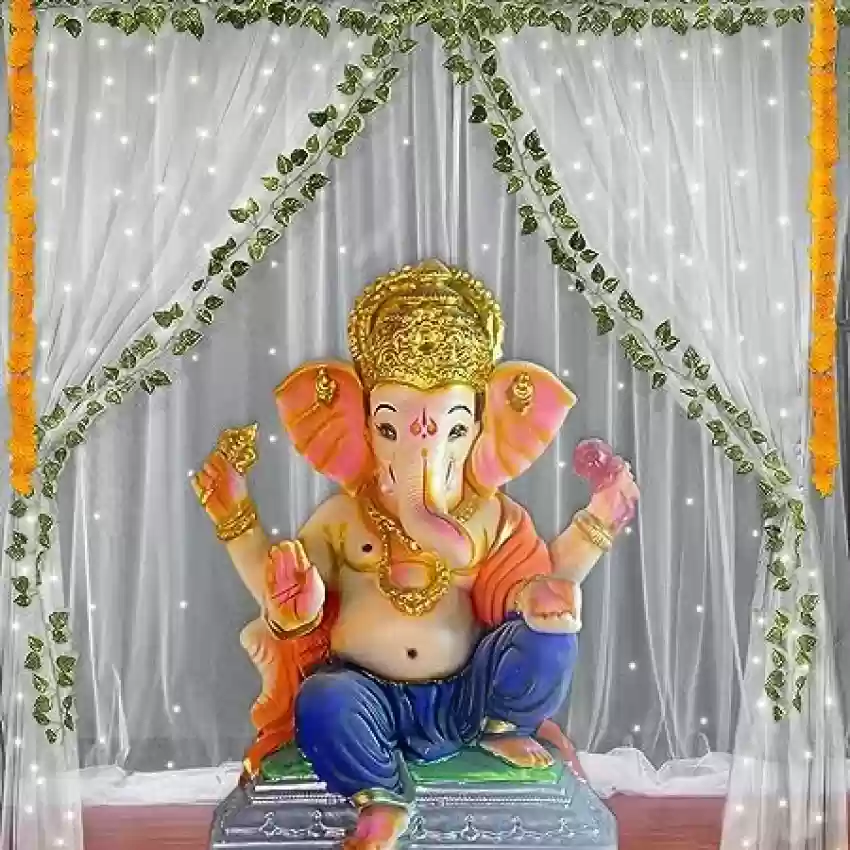
Ganpati Puja
Lord Ganpati, also known as Ganesha, is one of the most revered deities in Hinduism. He is depicted with the head of an elephant and the body of a human, symbolizing intelligence, wisdom, and the ability to overcome obstacles. Worshipped as the remover of hurdles and the bringer of prosperity, Lord Ganpati is sought for blessings in personal, professional, and spiritual endeavors. Ganpati Puja, performed during Ganesh Chaturthi, is a way to invoke his blessings for success, mental clarity, and prosperity. Devotees seek his guidance for new beginnings and intellectual growth, believing his worship removes obstacles and ensures smooth progression in life. It is also a time to express gratitude for past blessings and ask for his protection in the future.
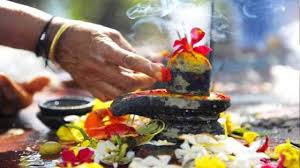
Shiv Puja
Shiv Puja is a sacred ritual dedicated to Lord Shiva, the god of transformation and the destroyer of negativity. It is performed to seek his blessings for spiritual growth, inner peace, and the removal of obstacles. Worshipping Lord Shiva is believed to cleanse the soul, bring harmony, and foster strength and wisdom to overcome life's challenges. Performed with deep devotion, Shiv Puja involves offering water, milk, flowers, and prayers to Lord Shiva. This ritual purifies the mind and invites his divine energy, promoting balance, positivity, and spiritual enlightenment in one’s life.
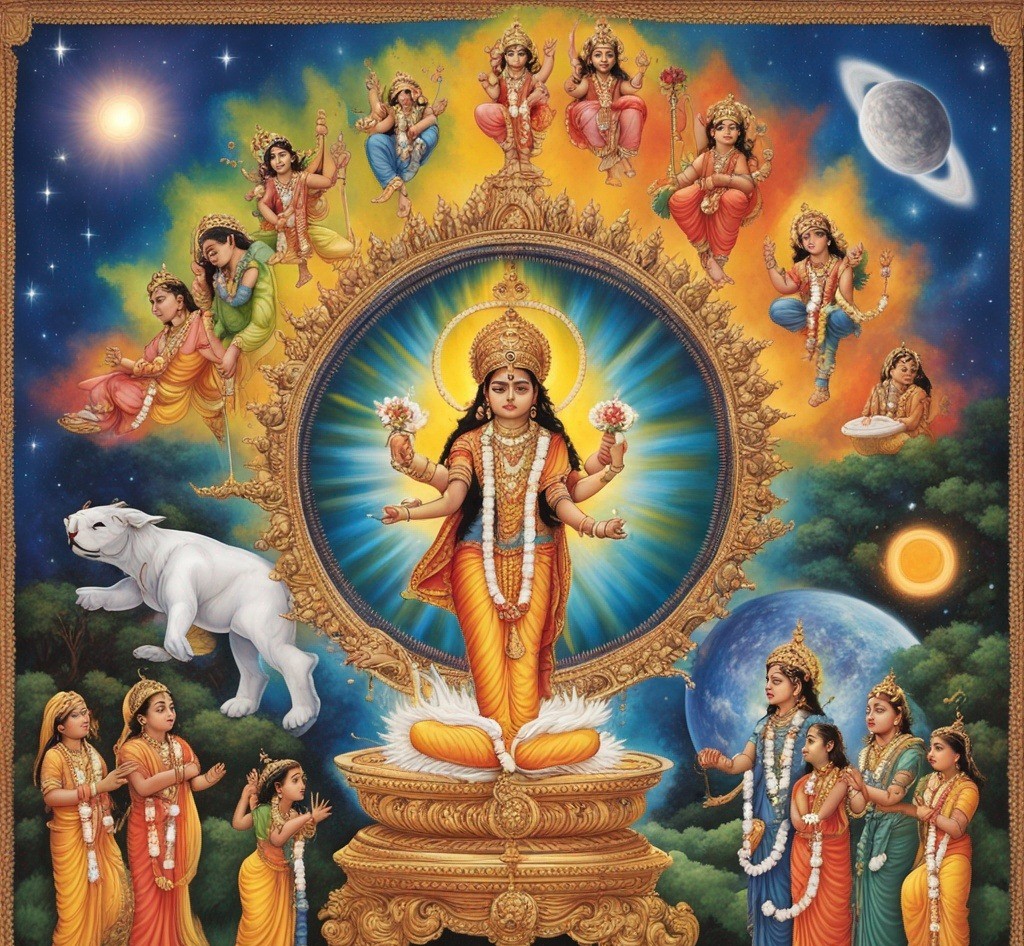
Navagraha Puja
Navagraha Puja is a sacred ritual dedicated to the nine celestial planets—Sun (Surya), Moon (Chandra), Mars (Mangal), Mercury (Budh), Jupiter (Guru), Venus (Shukra), Saturn (Shani), Rahu, and Ketu. These planets, collectively known as the Navagrahas, play a vital role in influencing various aspects of human life, including health, career, relationships, and prosperity. Performing Navagraha Puja helps mitigate negative planetary influences and enhances positive energies, promoting harmony and balance in life. The puja involves offering prayers, mantras, and specific items to each planet, invoking their blessings for peace, stability, and success. This ritual is especially beneficial for those facing astrological challenges or seeking to strengthen their connection with cosmic energies.
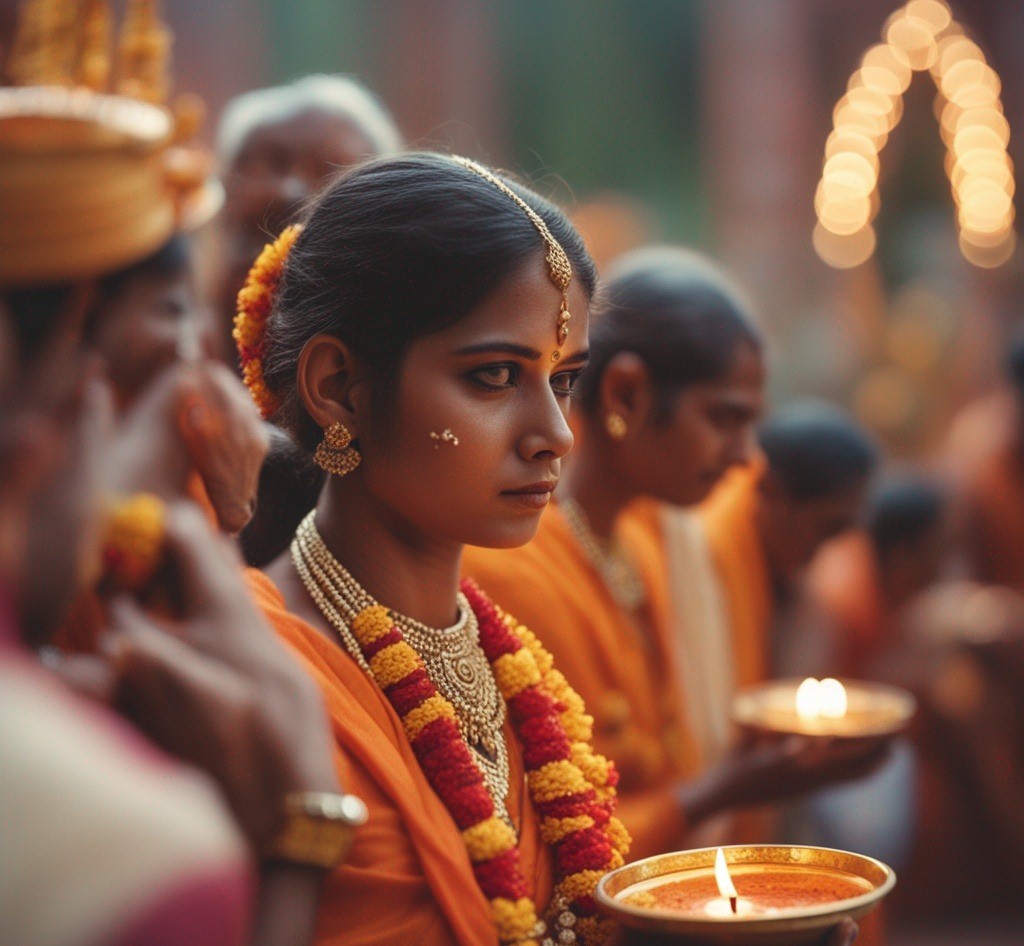
Kaal Sarp Dosh Puja
Kaal Sarp Dosh Puja is a sacred ritual performed to mitigate the negative effects of Kaal Sarp Dosh, an astrological condition caused when all planets in a horoscope are positioned between Rahu and Ketu. This puja is dedicated to pacifying these shadow planets and seeking their blessings for peace, prosperity, and success. By performing this ritual, you can overcome challenges, remove obstacles, and invite positivity into your life.
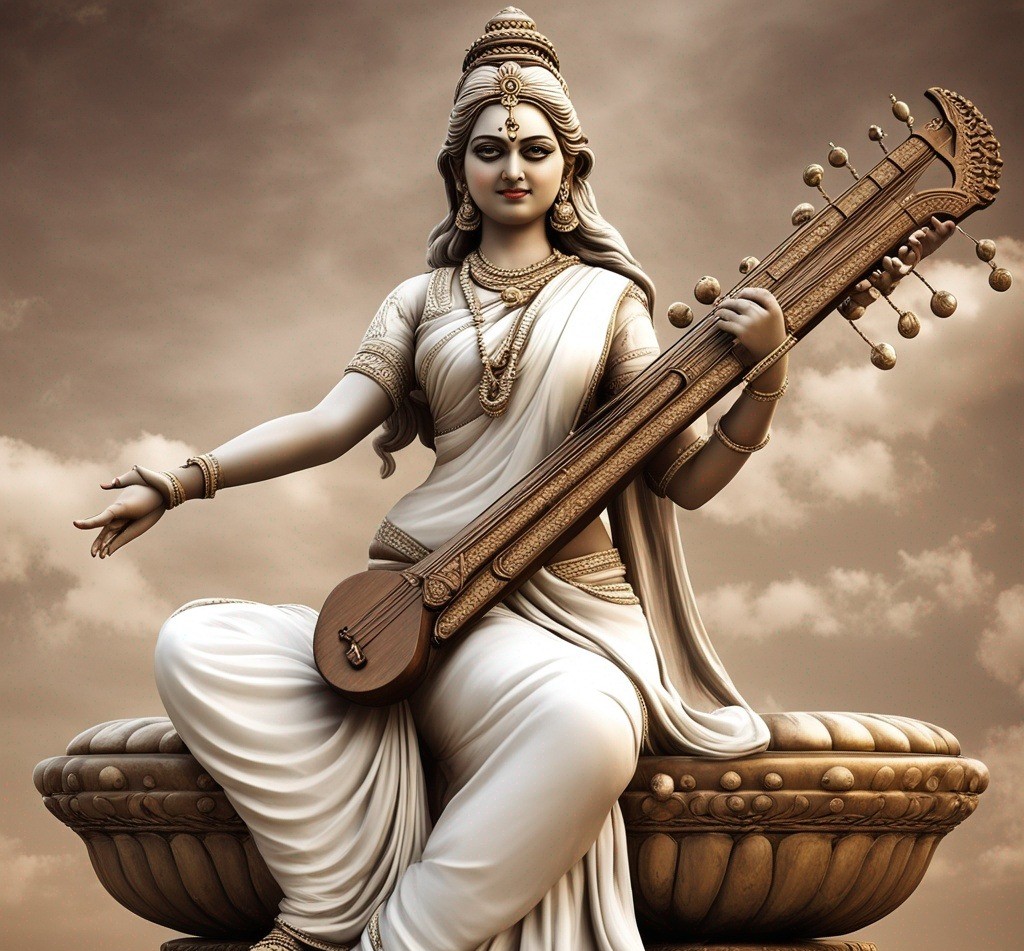
Saraswati Puja
Goddess Saraswati, the goddess of knowledge, wisdom, and arts, is one of the most respected deities in Hinduism. She is often depicted in a white saree, holding a veena, symbolising purity, learning, and creativity. Worshipped as the source of knowledge and inspiration, Goddess Saraswati is sought for blessings in education, arts, and intellectual growth. #Saraswati Puja, especially performed during Vasant Panchami, is a way to seek her guidance for wisdom, clarity, and success. Devotees pray to her for removing ignorance and gaining knowledge. The puja is also an occasion to express gratitude for her blessings and invite positive energy into life.
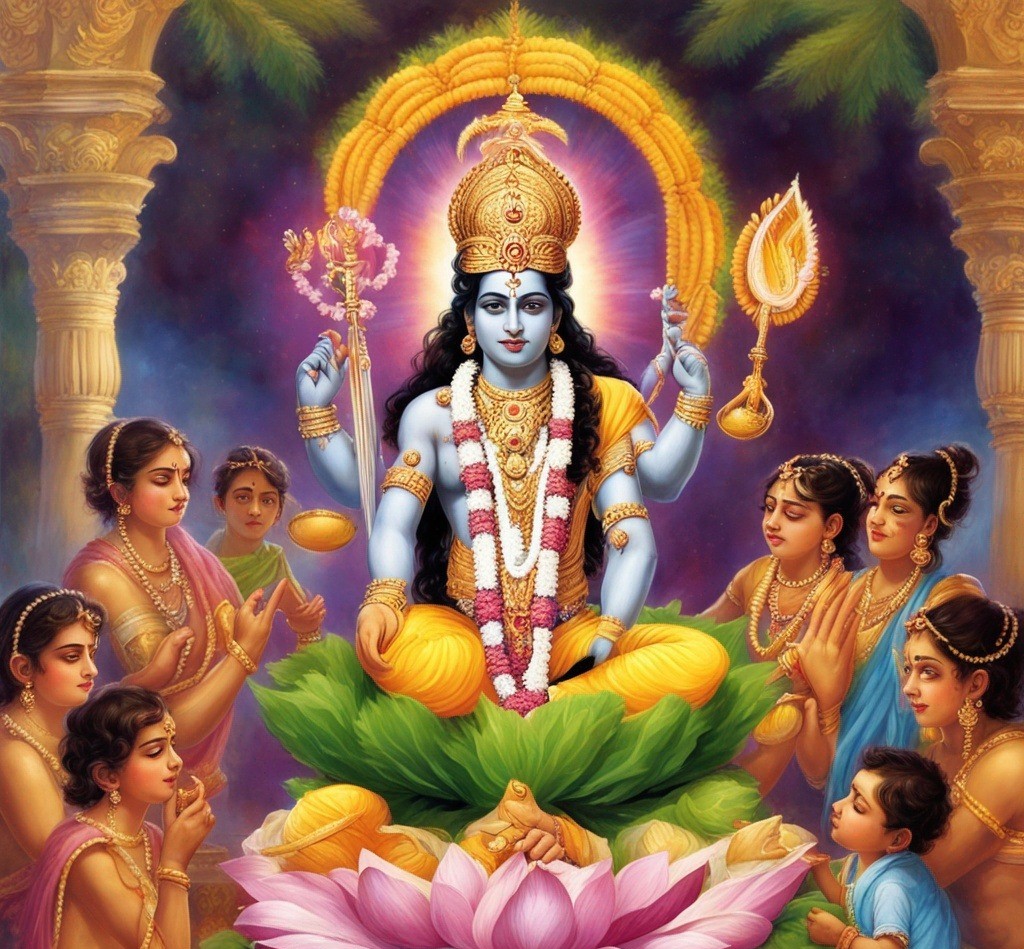
Satyanarayan Puja
Lord Satyanarayan, a form of Lord Vishnu, is worshipped for peace, prosperity, and well-being. This puja is performed to thank the Almighty for blessings and seek his grace for success and harmony. It is considered auspicious for fulfilling wishes and overcoming challenges in life. #Satyanarayan Puja is often performed during special occasions like housewarming, weddings, or festivals, inviting positive energy and divine protection into the home. By offering prayers with devotion, devotees seek Lord Vishnu's blessings for a happy and prosperous life.
Vastu Shanti Puja
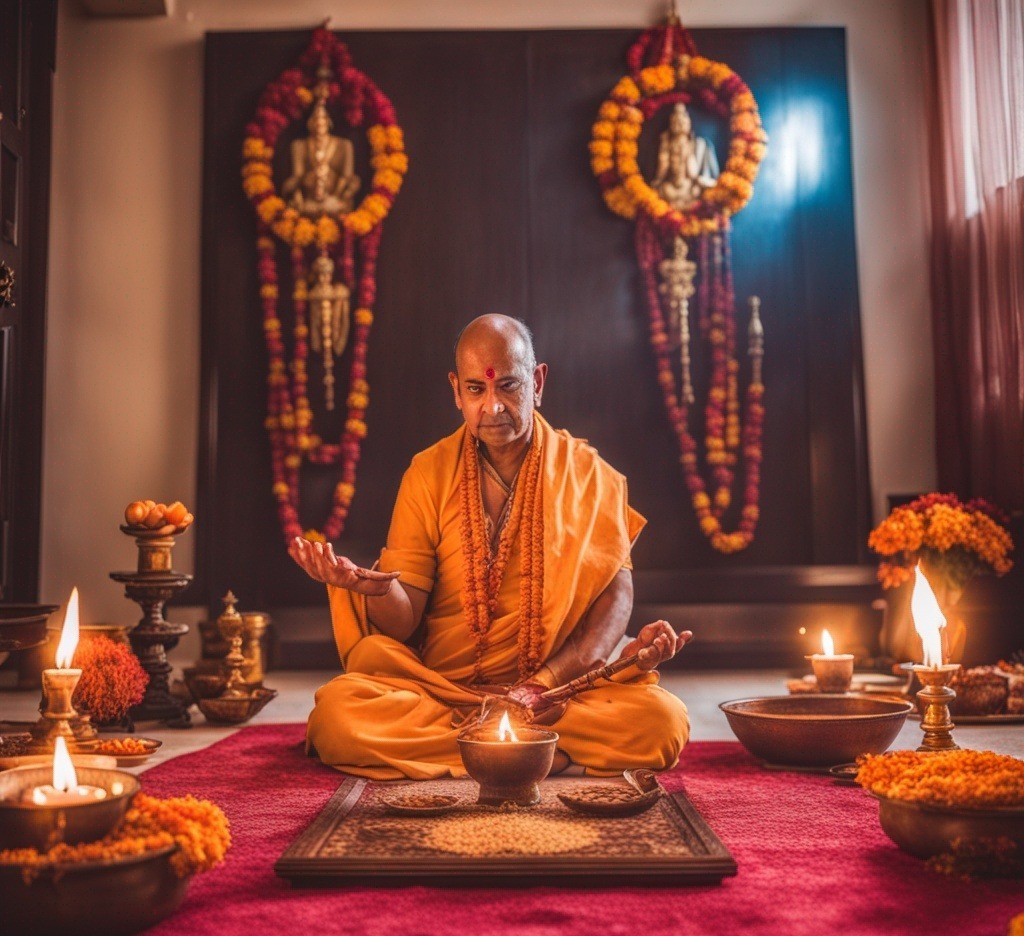
Vastu Shanti Puja is a sacred ritual performed to harmonise the energies of your home or workspace. It is dedicated to the Vastu Purush, the deity of directions, and seeks blessings from natural elements to bring peace, prosperity, and positivity. This puja helps eliminate Vastu doshas (imbalances) and promotes harmony for the occupants. #By performing Vastu Shanti Puja with devotion, you can ensure a balanced environment filled with happiness, success, and well-being.
What is Puja and Why It is Important
A puja is a sacred ritual performed to offer prayers to a deity. It includes steps like aarti, mantra chanting, offering prasad, lighting diya, and invoking blessings. People often search 'what is puja' or 'importance of puja in Hinduism' because it is more than tradition. It is a way to bring focus, calmness, and positivity into daily life. Puja helps create a rhythm — a small part of your day where everything slows down.
Popular Pujas Performed in Hinduism
Puja is not limited to just one form or one purpose. In Hinduism, there are many pujas performed based on personal intentions, life situations, and spiritual beliefs. Some of the popular pujas performed include Ganpati Puja for removing obstacles, Lakshmi Puja for wealth and prosperity, Shiv Puja for inner peace and strength, Durga Puja for protection and courage, and Satyanarayan Puja for blessings and stability in life. These pujas are commonly performed during festivals, special occasions, or when people feel the need for guidance and support. There are several other pujas related to planetary doshas, career growth, marriage, health, and personal well-being. Some are performed daily, while others are done during specific timings or shubh muhurat for puja. Each puja has its own puja vidhi, mantras, and significance, but the intention remains the same — to create a connection between devotion and inner peace.
How to Do Puja at Home (Simple Puja Vidhi)
Many people search 'how to do puja at home step by step' because puja does not always require a priest. A simple home puja vidhi can begin with cleaning the space, lighting a diya or incense, offering flowers or prasad, chanting a simple mantra, and performing aarti. It does not have to be perfect. What matters is your focus and intention.
Benefits of Doing Daily Puja
Doing daily puja creates a sense of grounding. People often look for 'benefits of puja' or 'why do puja daily' because it helps in reducing stress, improving focus, creating positive energy, and building emotional balance. Even a few minutes of puja can change how your day feels.
Best Time for Puja and Important Days
Timing plays a role in puja. That's why people search 'best time for puja' or 'shubh muhurat for puja'. Early morning and evening are considered ideal for daily puja rituals. Days like Monday for Shiv Puja, Friday for Lakshmi Puja, and festivals like Diwali, Navratri, Ganesh Chaturthi make puja more meaningful and powerful.
Mantras and Aarti in Puja
Mantras are an important part of vedic puja. They help calm the mind and create a rhythm in your thoughts. Om Gan Ganapataye Namah, Om Namah Shivaya — even simple chanting can create a sense of peace and clarity.
Why Puja Feels Personal
Even though puja follows traditions, the experience is always personal. Some people perform detailed rituals. Some sit quietly. Some just light a diya and pray. Your puja practice becomes meaningful when it feels natural to you.
A Moment That Stays With You
Puja is not about doing everything perfectly. It is about showing up — with faith, with intention, and with a quiet moment for yourself. Whether it is a simple diya or a complete puja vidhi, every small step creates a connection that stays beyond the ritual.
Frequently Asked Questions
1. Is it okay if I miss a day of daily puja?
Yes, it is completely okay. Puja is not about pressure or strict rules. Missing a day does not reduce your devotion. What matters is consistency over time, not perfection every single day.
2. Why do I sometimes not feel connected during puja?
This happens to many people. Your mind may be distracted or tired. Connection in puja comes and goes, just like emotions. Even if you don't feel it every day, the practice still holds value.
3. Can I do puja during periods?
Different traditions have different views, but many people believe that devotion is personal and not restricted. You can choose what feels right for you and your belief system.
4. What happens if I make a mistake during puja vidhi?
Nothing negative happens. Puja is not about doing everything perfectly. Small mistakes in steps or mantras do not affect your prayer if your intention is genuine.
5. Do I need a proper mandir setup at home for puja?
No, a simple clean space is enough. You don't need a big setup to perform puja. Even a small corner with a diya and a photo or idol is meaningful.
6. Why do I feel emotional during or after puja?
Puja creates a quiet space where emotions naturally come up. Feeling emotional is normal — it often means you are releasing stress or connecting more deeply within yourself.
7. Can I do puja in my own way or does it have to follow strict rules?
You can absolutely do puja in your own way. While traditional puja vidhi exists, personal connection matters more. Your way of praying is valid if it feels genuine to you.