Kamakhya Mandir
Guwahati, Assam
Opening-Closing Time:
About Kamakhya Mandir Guwahati, Assam
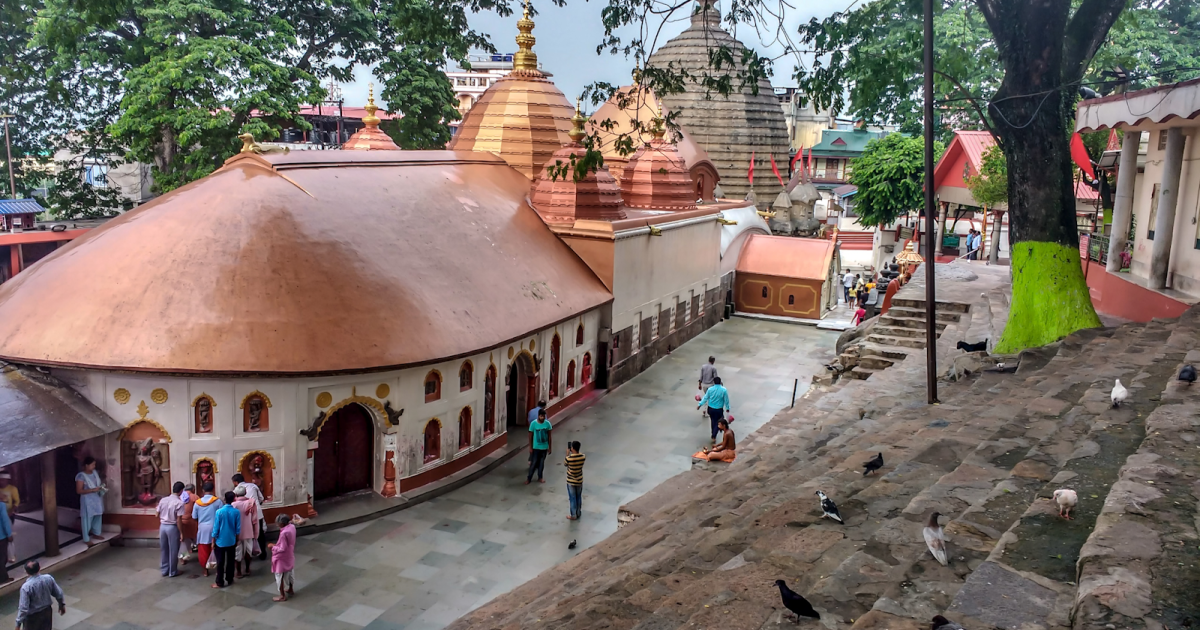
The Kamakhya Mandir, perched on Nilachal Hill in Guwahati, Assam, is a revered shrine dedicated to the powerful deity Kamakhya Devi. This ancient temple, steeped in Hindu mythology, draws devotees and scholars worldwide, reflecting its profound spiritual and cultural significance.
History
The genesis of the Kamakhya Temple is rooted in Hindu mythology, particularly the tale of goddess Sati's self-immolation during a ritual conducted by her father, Daksha. According to legend, the temple enshrines Sati's yoni, symbolizing her reproductive organ, marking it as one of the revered Shakti Peethas. The name "Kamakhya" stems from the Sanskrit word "Kama," highlighting the deity's association with desires, fertility, and feminine power. Over centuries, the temple has been adorned and revered by numerous rulers and devotees, from the ancient Kamarupa kingdom to the Ahom dynasty, cementing its status as a cornerstone of spiritual and cultural heritage.
Architecture
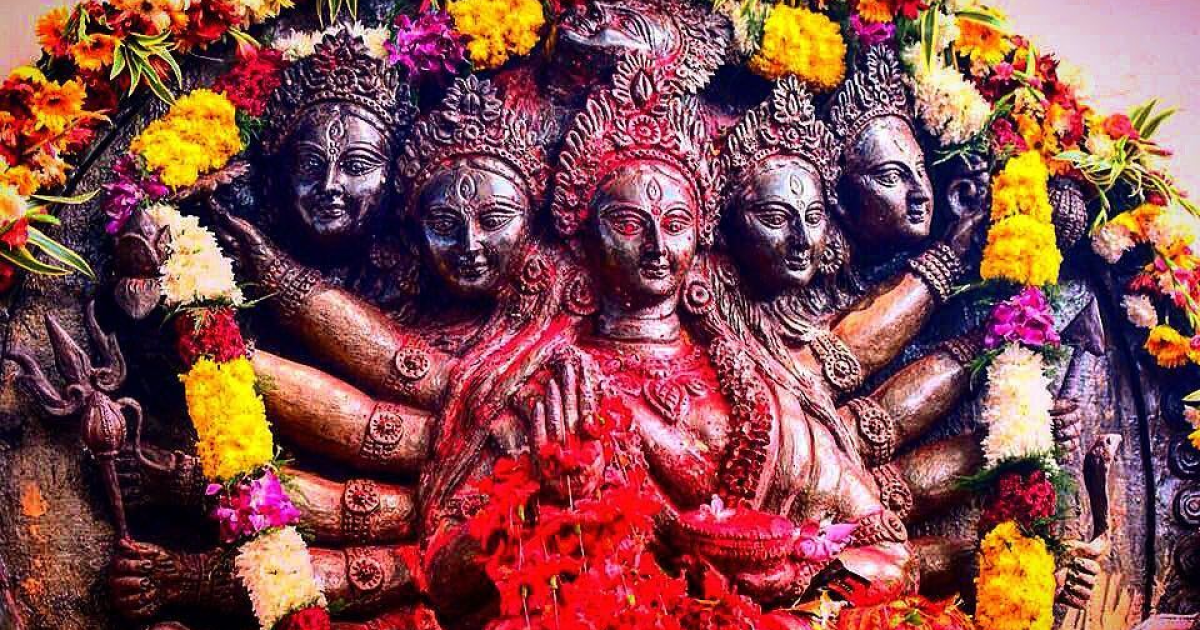
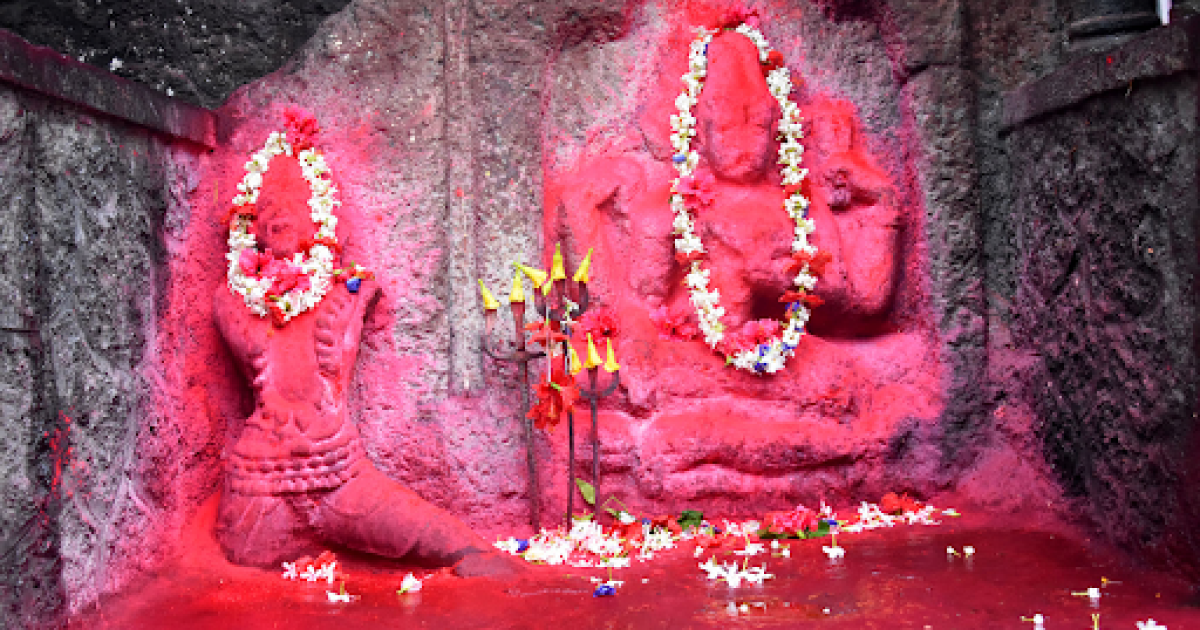
Kamakhya Mandir's architectural splendor combines indigenous Assamese styles with influences from neighboring regions, highlighted by its iconic dome, four spires, and intricate carvings. Central to the temple is the garbhagriha, housing the sacred yoni symbolizing goddess Kamakhya's divine presence. Surrounding the main temple are smaller shrines dedicated to deities like Lord Shiva, Lord Vishnu, and the ten Mahavidyas, adorned with detailed mythological sculptures. The temple's grandeur is enhanced by panoramic views of the Brahmaputra River and Nilachal Hill, making it a timeless emblem of faith and devotion.
Significance
Kamakhya Mandir holds deep religious significance in Hinduism, particularly within the Shakta tradition, as a prominent Shakti Peetha symbolizing the divine feminine power. Central to its mythology is the sacred yoni within the garbhagriha, representing the creative force of the universe. The temple is renowned for the annual Ambubachi Mela, celebrating the goddess Kamakhya's menstruation and attracting large numbers of devotees. Various other festivals throughout the year draw pilgrims and tourists, reinforcing its status as a vibrant cultural and spiritual hub. Beyond religious significance, Kamakhya Mandir is revered as a site of mystical energy, offering spiritual awakening and personal transformation to all who visit.
Kamakhya Mandir Timings
Rudrabhishek
9:30 AM - 11:00 AMNavagraha Pooja
10:00 AM - 12:00 PMAarti Darshan
5:30 AM, 4:30 PM - 6:30 AM, 5:30 PMClosed During Yoni Pujan
6:30 AM, 5:30 PM - 8:00 AM, 7:00 PMSpecial Aarti
6:30 AM, 5:30 PM - 7:00 AM, 6:00 PMAshtottara Archana
7:00 AM, 1:30 PM - 9:30 AM, 2:30 PMOfferings
Offerings at Kamakhya Temple include flowers, especially red hibiscus, and traditional sweets like laddoos, along with other items symbolizing devotion and prosperity such as coconuts and oil lamps.
Travel
Airplane
The nearest airport to Kamakhya Mandir is Lokpriya Gopinath Bordoloi International Airport in Guwahati, approximately 20 kilometers away, providing convenient access for pilgrims and tourists.
Train
The closest railway station to Kamakhya Mandir is the Kamakhya Junction Railway Station, located about 6 kilometers away, offering easy access for devotees and visitors.
Bus
Kamakhya Mandir is easily accessible by road, located about 8 kilometers from the center of Guwahati, with regular bus services and taxis available.
Explore Related Temples

Birla Mandir
Mathura, Uttar Pradesh

Chamunda Devi Mandir
Mathura, Uttar Pradesh

Gopinath Temple
Mathura, Uttar Pradesh

Bansgaon Durga Temple
Bansgaon, Gorakhpur, Uttar Pradesh

Prem Mandir Vrindavan
Vrindavan, Uttar Pradesh

Haat Kalika Temple
Uttarakhand