Pongal 2027 Explained: Four Days, Sun Worship and Cultural Traditions
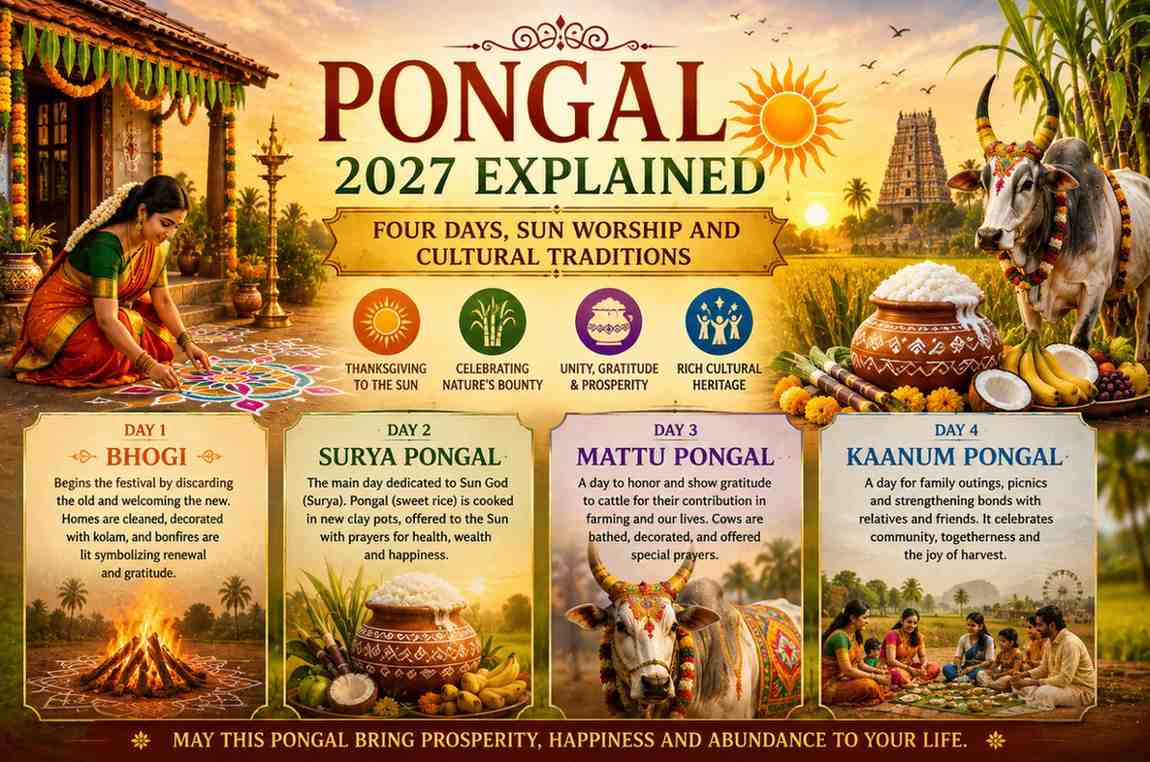
Pongal is the four-day Tamil harvest festival falling in the Tamil month of Thai (January 14–17 annually), coinciding with Makar Sankranti. The main day — Surya Pongal — is dedicated to Sun worship. The festival's name comes from the pongal dish cooked outdoors and allowed to boil over, the overflow symbolizing abundance and the year's prosperity.
There's a moment on the second day of Pongal that every Tamil household waits for. The clay pot sits outside over an open fire, oriented toward the rising sun. The milk-rice preparation comes to a boil, rises, and overflows — and the whole family calls out together: "Pongalo Pongal!"
That moment of overflow is the entire festival in miniature. Abundance that doesn't stay contained. A harvest that exceeds what was asked for. The Sun returning northward. The new Tamil month of Thai opening with possibility.
Pongal is one of the most genuinely rooted festivals in the Indian calendar — four days with four distinct themes, each one building on the last. This guide covers all of it: the four days and what they actually mean, the astrological foundation, the symbolism of the dish, and how to observe Pongal whether you're Tamil or not.
Pongal Quick Facts
| Pongal 2026 | January 14–17, 2026 (has occurred) |
| Pongal 2027 | January 14–17, 2027 |
| Tamil month | Thai (January–February) |
| Meaning | Pongal = "to boil over" — overflow symbolizes abundance and prosperity |
| Astrological foundation | Makar Sankranti — Sun's entry into sidereal Capricorn, beginning of Uttarayana |
| Duration | Four days, each with a distinct theme |
| Geographic scope | Primarily Tamil Nadu, Puducherry, parts of Sri Lanka, and Tamil diaspora globally |
What Are the Four Days of Pongal?
This is what makes Pongal genuinely distinct from most festivals — it isn't one observance stretched over multiple days. Each day has its own theme, its own purpose, and its own practice. The four days form a complete arc: release, worship, gratitude, community.
Day 1 — Bhogi Pongal
Bhogi is about one thing: clearing out the old to make space for the new.
At dawn, families light a bonfire — old household items, broken furniture, worn-out clothes, things that no longer serve — and burn them consciously. It's not just practical decluttering. It's a deliberate act of release, the acknowledgment that what's finished needs to go before something new can arrive.
After the bonfire, homes are cleaned and refreshed. The kolam (the intricate rice-flour pattern drawn at the entrance) is renewed — a fresh geometric welcome for the new season. Bhogi is preparation. You can't have the overflow of Day 2 if you haven't cleared the space for it.
Day 2 — Surya Pongal (Thai Pongal)
This is the main day — and it falls on Makar Sankranti, the Sun's entry into Capricorn.
The observance is centered on cooking the pongal dish outdoors in a clay pot, over an open fire, facing the rising sun. The pot is decorated with turmeric leaves and floral kolam patterns on the ground around it. As the milk-rice preparation comes to a boil and rises over the pot's rim, the family calls out together: "Pongalo Pongal!"
That overflow moment is not an accident to be managed — it's the goal. The abundance boiling over is the festival's symbolic heart. The pongal is then offered to the Sun before the family eats.
Surya Pongal is also when families wear new clothes, exchange gifts, and share prepared pongal with relatives and neighbors. Understanding how the Sun sits in your birth chart gives you a sense of how this annual Sun-worship window lands differently for different people — the Sun's transit into Capricorn activates a different house and theme for every chart.
Day 3 — Mattu Pongal
"Mattu" means cattle in Tamil — and Day 3 is entirely dedicated to the bulls and cows who work the fields and provide milk.
The cattle are bathed, their horns painted, and they're garlanded with flowers and bells. They're offered sweets and pongal — the same preparation the family cooked for the Sun.
The relationship between humans and the animals who sustain agricultural life is consciously honored. It's one of the most genuinely moving aspects of Pongal — the recognition that abundance doesn't come from nowhere, that real beings carry real work, and that gratitude is owed to them.
In some districts, Jallikattu — traditional bull-taming events — are also held on this day.
This is a culturally significant tradition with deep Tamil roots, though it has been the subject of legal and ethical debate due to animal welfare concerns. Various rulings have permitted regulated forms; practitioners hold a range of views on it.
Day 4 — Kaanum Pongal
"Kaanum" means "to see" or "to visit" in Tamil — and the final day is dedicated to family visits and community ties.
People travel to relatives, friends, and ancestral homes. Siblings exchange gifts. Families gather for a final shared meal of the festival period. Kaanum Pongal is the social culmination — the recognition that abundance is not only a material harvest but also the living relationships that make that abundance meaningful.
A harvest celebrated alone isn't really a harvest. Kaanum Pongal closes the four days by turning the festival's energy outward toward the people who matter.
Why Is Pongal Astrologically Significant?
Pongal's astrological foundation is Makar Sankranti — the Sun's entry into sidereal Capricorn and the beginning of Uttarayana, the Sun's northern ascending course.
This is why Pongal lands on the same Gregorian dates every year (January 14–17) while most Hindu festivals shift — it follows the solar calendar, not the lunar.
The full astrological depth of this transit — what Uttarayana means, the Sun-Saturn dynamic of Capricorn, and the 30-day post-Sankranti window — is covered in detail in the Makar Sankranti Guide.
The short version: the Sun entering Capricorn opens the half-year the Vedic tradition has always preferred for major undertakings, weddings, spiritual practice, and important beginnings.
The Thai month carries additional significance in the Tamil calendar. Thai is considered one of the most auspicious months for marriages, new beginnings, and major undertakings.
The Tamil saying — "Thai pirantha vazhi pirakkum" (when Thai is born, the path is born) — reflects exactly this. Pongal is the festival that opens Thai, which means it's also the festival that opens the auspicious window.
For Sun-related astrological work, the Pongal-Makar Sankranti window is the strongest annual opportunity — more on this in the practices section below.
The same powerful window is explored from a different angle in the Akshaya Tritiya Guide, Navratri Guide, and Mahashivaratri Guide — each covering a different peak window in the Vedic calendar year. And Diwali 2026 astrology sits at the other end of the year as the complementary annual pivot — the Diwali 2026 Astrology Guide covers how that Kartika window compares to the Uttarayana energy that Pongal opens.
The Symbolism of the Pongal Dish
The dish itself is worth understanding — because everything about how it's prepared is deliberate.
- Sweet pongal (sakkarai pongal) — rice, jaggery, ghee, cashews, raisins. The classical offering to the Sun. Jaggery's warmth and sweetness align with the season of ascending light
- Savory pongal (ven pongal) — rice, lentils, ghee, ginger, pepper. Also offered and consumed during the festival
- The clay pot — a new pot specifically for the festival in many traditions; clay is earthy, natural, connected to the agricultural roots of the celebration
- Boiling over — the moment the preparation rises and overflows is the symbolic climax; the overflow is welcomed, not contained. That inversion of ordinary kitchen management is the whole point
- Outdoor cooking — traditionally done over an open fire, facing the rising sun; the Sun literally cooks the food that is then offered back to the Sun
- Turmeric and floral decoration — turmeric leaves (deeply auspicious in Tamil tradition) decorate the pot; kolam patterns surround it on the ground
There's something genuinely beautiful about a ritual whose central act is allowing overflow. Most festivals involve careful ritual management. Pongal says: let it spill. That's the blessing.
Pongal Practices for Specific Astrological Situations
- Sun-related concerns — weak Sun in the chart, Leo-related difficulties, challenges with father or authority — Surya Pongal is the most powerful annual Sun-worship window; cooking pongal outdoors and offering it to the rising Sun is a complete Sun-strengthening remedy in itself. Arjun - arjun at Vedaz specializes in focus and willpower astrology — both Sun-related qualities — and can help you work with your Sun placement specifically
- Agricultural, land, or food-related livelihood — Mattu Pongal's harvest and cattle themes make the full four-day observance particularly meaningful for those whose work connects to land, agriculture, or food production
- Family and relationship renewal — Kaanum Pongal's emphasis on community visits makes the final day meaningful for conscious relationship renewal; use it intentionally
- New ventures and important beginnings — Thai month's auspicious quality combined with Uttarayana's opening makes the immediate post-Pongal window one of the strongest annual launch points
- All Makar Sankranti remedies apply — sesame-jaggery donation, ritual bathing, Surya Arghya, Aditya Hridaya Stotram — these practices carry the same weight during Pongal
For personalized guidance on how the Sun's transit into Capricorn affects your specific chart and which Thai-month windows are most favorable for your undertakings, Kuber - kuber at Vedaz specializes in wealth and abundance astrology — particularly relevant if Capricorn activates prosperity-related houses in your chart.
Honest Notes on Pongal Observance
The four-day structure is the full traditional observance — but many families observe a simpler form focused on Surya Pongal (the main day). That's entirely valid. Depth of engagement matters more than duration.
For Tamil diaspora in urban apartments — electric stoves, smaller pots, indoor kitchens. The cultural meaning lives in the conscious observance, not in strict adherence to outdoor cooking. Prepare the pongal with intention. That's what the tradition is asking for.
On Jallikattu — this tradition has deep Tamil cultural roots and has been the subject of genuine legal and ethical debate around animal welfare. Different engaged practitioners hold different views, and this guide doesn't take a position. Know the history before forming one.
For non-Tamil practitioners — the festival's observance is genuinely welcoming. Preparing sweet pongal, offering it to the Sun, and joining the broader Makar Sankranti energy is accessible regardless of cultural background. The festival's themes — Sun worship, agricultural gratitude, family ties, community renewal — are universal dharmic themes.
The festival's depth is in all four days together. Reducing Pongal to just the pongal dish misses what the four-day arc is doing — release, worship, gratitude, community. Each day needs the previous one to make full sense.
Final Thought
Pongal is the festival of overflow — and that word is worth sitting with.
The pot is supposed to spill. Not carefully managed, not kept within bounds, not optimized for neatness. The whole point of Surya Pongal is that the abundance rises and goes over the edge, and the family celebrates when it does.
That's a genuinely unusual thing to build a festival around. Most of life involves careful management — of resources, of expectations, of what we allow ourselves to hope for. Pongal says: for four days at least, let it overflow.
Welcome the surplus. Cook for the Sun. Honor the cattle who did the work. Visit the people you love. Let the new Thai month open the path.
The four days carry their themes in perfect sequence — release the old, worship the source, honor what carries the work, renew the ties that make it all meaningful. Observe all four if you can, the arc matters. Bhogi prepares the ground for Surya Pongal to mean something. Mattu Pongal's gratitude deepens what Kaanum Pongal's community visits celebrate.
And somewhere in there — in the outdoor fire, the decorated clay pot, the moment the milk-rice rises and spills — is the whole festival's heart.
Pongalo Pongal.
Maitreyi Desikan
Festival Traditions & Religious Heritage | 13+ Years
Maitreyi Desikan is a writer and researcher focused on India's festival traditions, sacred observances, and religious heritage. She combines scriptural insights with cultural history to create engaging guides that help readers celebrate festivals with greater awareness and meaning.
Frequently Asked Questions
1. What is Pongal?
Pongal is the four-day Tamil harvest festival celebrated in the Tamil month of Thai (January), coinciding with Makar Sankranti. It celebrates the harvest, the Sun, the cattle who work the fields, and the renewal of community ties. The name comes from the dish prepared during the festival — a sweet rice-and-lentil preparation cooked outdoors and allowed to boil over, the overflow symbolizing abundance.
2. When is Pongal 2027?
Pongal 2027 falls on January 14–17, 2027. Pongal 2026 was January 14–17, 2026 (already occurred). The dates are stable because the main day (Surya Pongal) coincides with Makar Sankranti, which tracks the Sun's entry into sidereal Capricorn — a fixed annual solar event.
3. What are the four days of Pongal?
Day 1 — Bhogi Pongal: clearing out the old, bonfires of old household items, home cleaning and renewal. Day 2 — Surya Pongal: the main day, Sun worship, cooking pongal dish outdoors facing the rising Sun, "Pongalo Pongal!" Day 3 — Mattu Pongal: cattle worship, bathing and decorating bulls and cows, honoring those who carry agricultural work. Day 4 — Kaanum Pongal: family visits, community ties, the festival's social culmination.
4. What is the connection between Pongal and Makar Sankranti?
Pongal's main day (Surya Pongal, Day 2) is Makar Sankranti — the Sun's entry into sidereal Capricorn and the beginning of Uttarayana. Pongal is the Tamil regional form of the broader Makar Sankranti observance, with the distinctive four-day structure and specific cultural practices. The astrological foundation is the same: Sun worship at the moment of the major annual Sun transit.
5. What is the pongal dish?
Pongal is a rice preparation in two main forms: sweet pongal (sakkarai pongal) — with jaggery, ghee, cashews, raisins — and savory pongal (ven pongal) — with lentils, ghee, ginger, pepper. The festival preparation is sweet pongal, cooked outdoors in a clay pot over an open fire, facing the rising sun. The moment when the preparation boils over the pot is the festival's symbolic climax — the overflow welcomed as the sign of the year's abundance.
6. Can non-Tamil practitioners observe Pongal?
Yes — the festival is welcoming. The accessible entry is preparing sweet pongal, offering it to the Sun on the main day, and joining the broader Makar Sankranti energy. These are genuinely accessible regardless of cultural background. The festival's deeper themes — Sun worship, agricultural gratitude, family ties, community renewal — are universal dharmic themes that belong to no single community exclusively.
Related Blogs
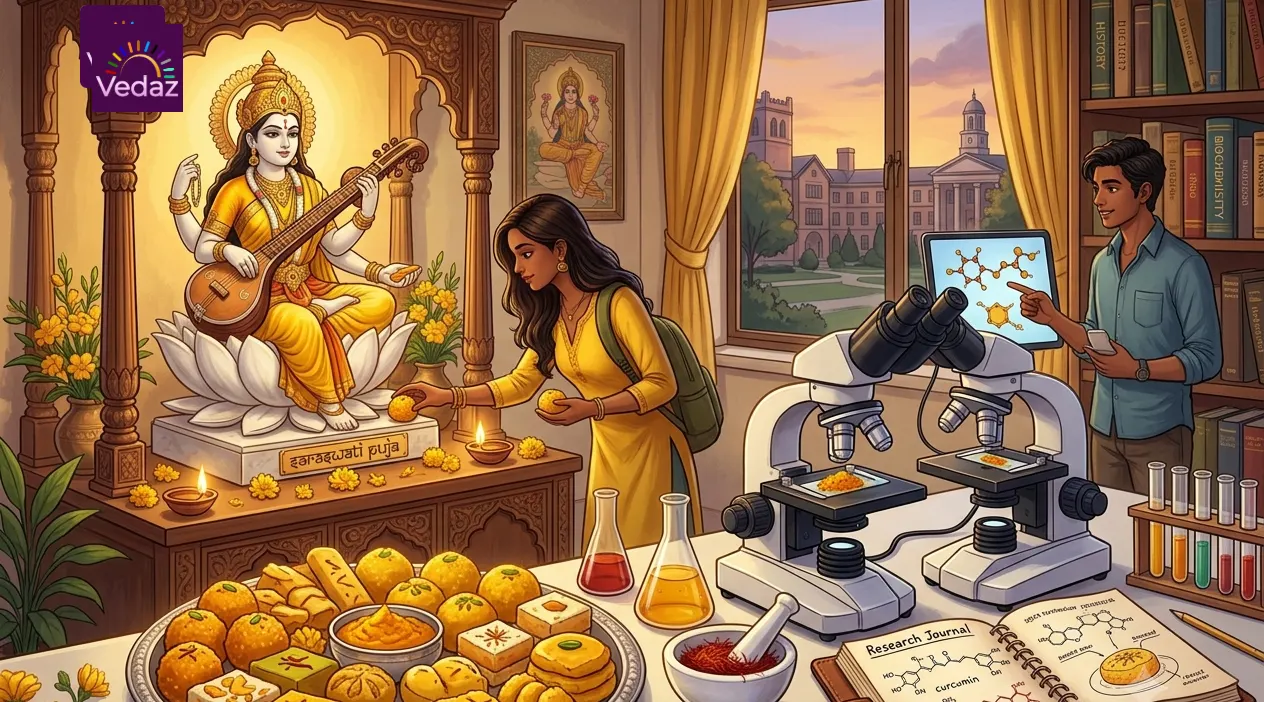
Saraswati Puja: Science Behind Yellow Sweets
Yellow sweets on Saraswati Puja aren't just tradition—they're science, emotion, and energy in one. Find out how colour, food, and devotion come together in this surprising story of wisdom and wellness
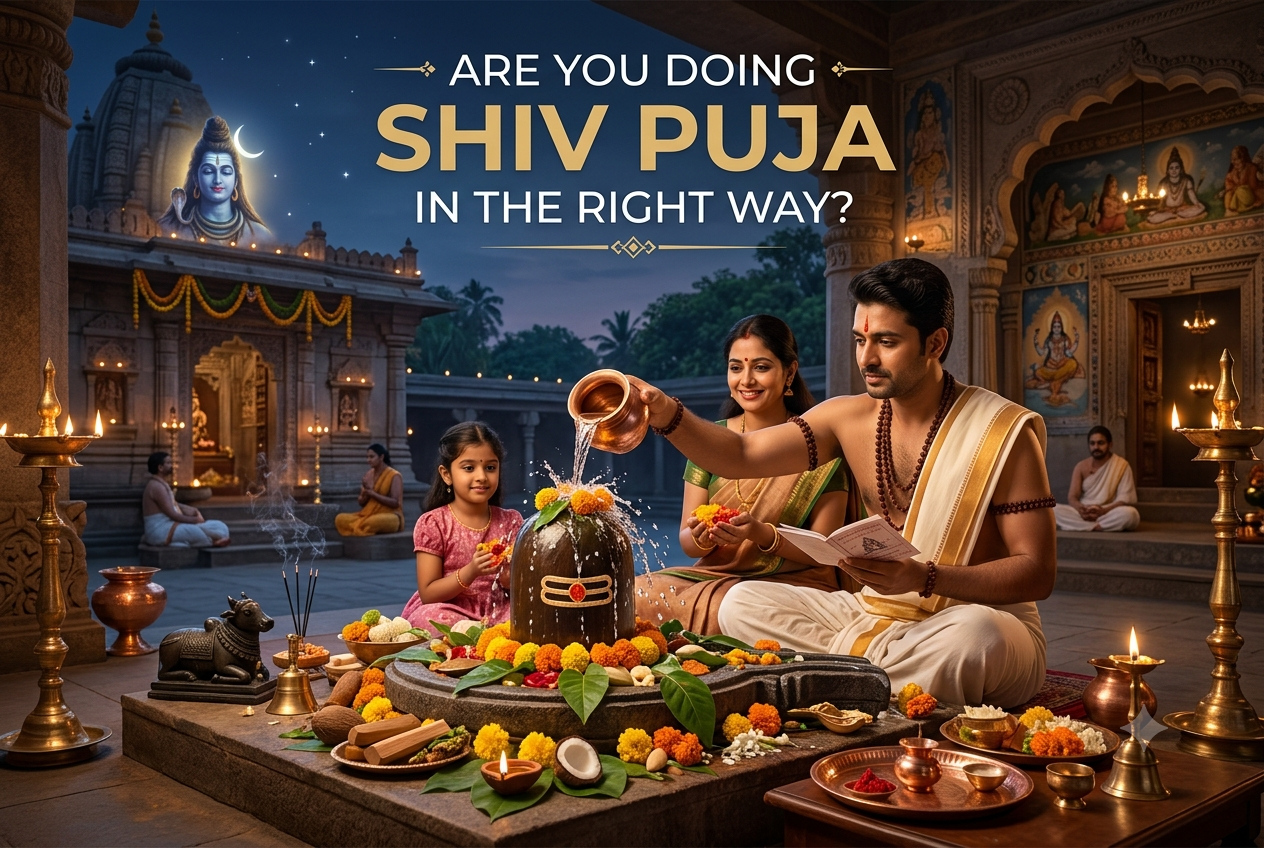
Are You Doing Shiv Puja In The Right Way?
Shiv Pooja isn’t about perfection—it’s about presence. Discover the small yet powerful steps you might be skipping, and how they can transform your prayer into a deeper, more personal experience.
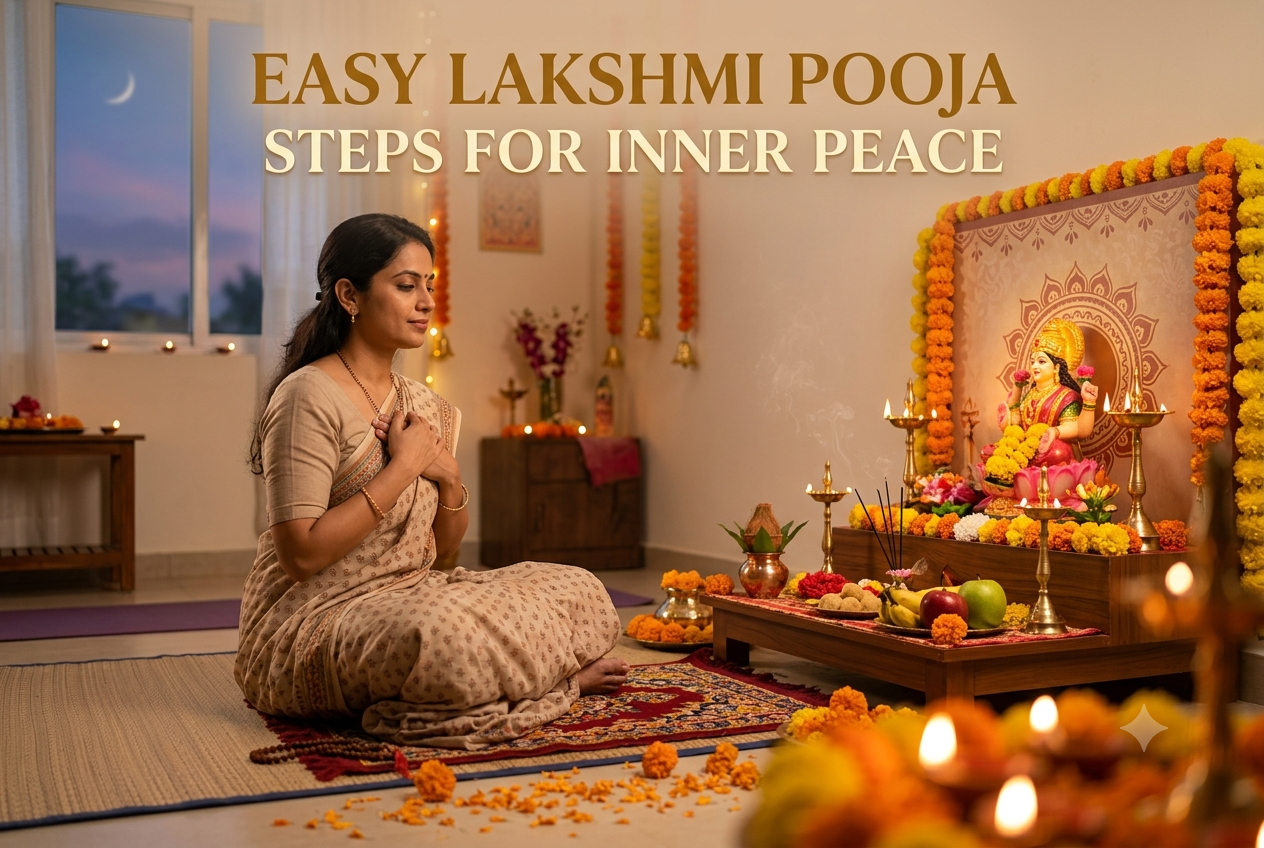
Easy Lakshmi Pooja Steps For Inner Peace
You don’t need perfection to feel divine peace. Just a diya, a flower, and a moment of stillness. This gentle Lakshmi Pooja is a soft reminder that grace begins within.
Navgraha Pooja: A Powerful Spiritual Start
Struggling with delays, confusion, or emotional heaviness? Navgraha Pooja might be the spiritual shift you need. Learn how this ancient practice helps you align with cosmic energy and reclaim inner peace.